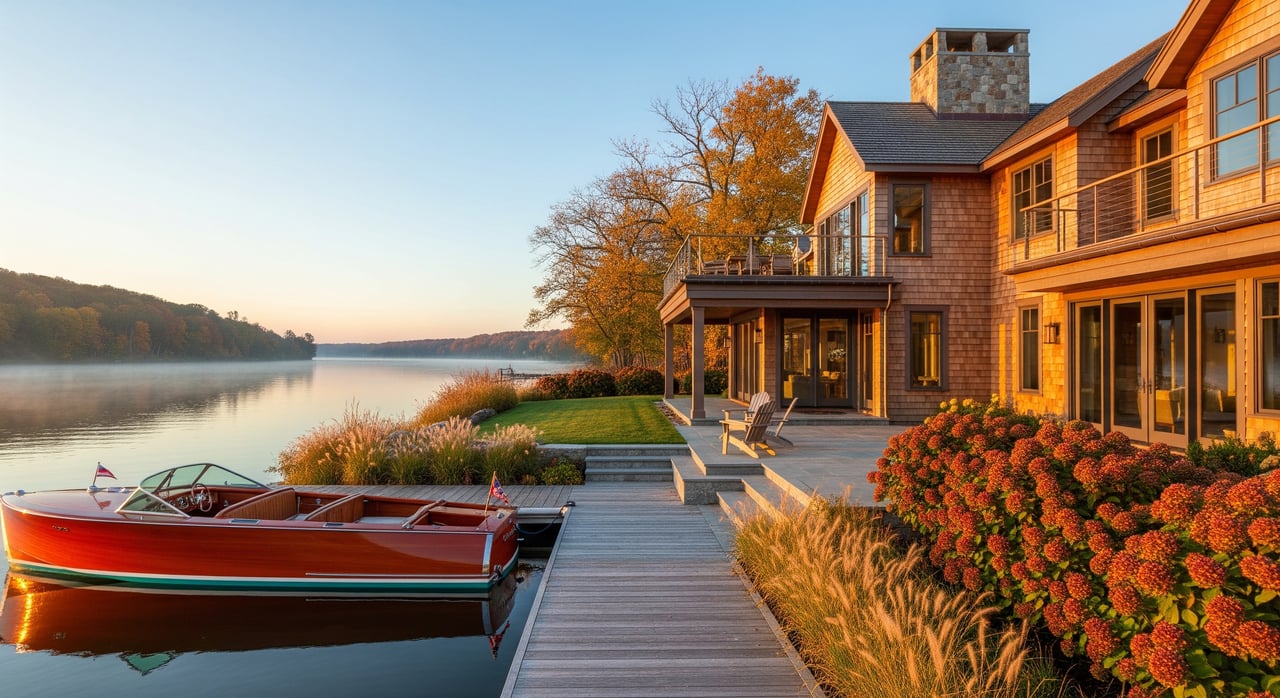
Imagine starting your day with mist rising off the Connecticut River, a kayak waiting at the dock, and the quiet hum of a New England village coming to life. If you are drawn to scenic water views, historic architecture, and a calm pace with plenty of outdoor adventure, East Haddam offers a lifestyle that fits. In this guide, you will learn how daily life flows along the river, what homes and neighborhoods feel like, and key considerations if you plan to buy or own a riverfront property. Let’s dive in.
The river sets the scene
East Haddam sits in Middlesex County along the south-central corridor of Connecticut, with the river as its defining feature. The town blends a classic river village anchored by the Goodspeed Opera House with rural hamlets like Moodus and countryside roads. Nearby communities such as Chester, Haddam, Deep River, and Middletown are close enough for errands, dining, and regional services.
You will find a small-town atmosphere with historic streetscapes and big sky views over the water. Many residents are long-term locals alongside second-home owners, retirees, and commuting professionals who value privacy and nature. The feel is relaxed and residential, with a strong connection to the river and the land.
Day-to-day life on the Connecticut River
Morning light on the river is one of East Haddam’s simple pleasures. You might sip coffee on a porch, launch a kayak for a quick paddle, or set out on nearby trails. Gillette Castle State Park and Devil’s Hopyard State Park offer easy access to hikes with sweeping views and waterfalls.
Weekdays are a mix of remote work and car commutes to regional employment centers. Local contractors, artisans, and service businesses support daily needs, and seasonal coffee spots and cafes add charm in the river village. Evenings and weekends skew outdoorsy and cultural, with theater nights, community events, and time on the water.
Seasonality shapes the rhythm here. Summer and fall are lively, with boat traffic, visitors, and foliage drives. Winter is quieter and more residential, ideal for slow hikes, cozy dinners, and a peaceful river outlook.
Culture and landmarks you will love
The Goodspeed Opera House is a cultural anchor, drawing audiences with professional productions, festivals, and seasonal programming. Around showtimes, the river village hums with energy, and local restaurants fill up with theatergoers.
Gillette Castle State Park sits high above the river with a distinctive stone castle and panoramic overlooks. It is a favorite for picnics, hikes, and scenic photos in every season. Devil’s Hopyard State Park offers trails and waterfalls that are popular with hikers and families.
Historic districts throughout town feature 18th and 19th-century architecture and a classic New England streetscape. These settings add to the sense of place and help make everyday errands feel like a step through time.
Getting on the water
If you enjoy time on the water, East Haddam delivers. The river supports kayaking, canoeing, paddleboarding, and motorboating. Public access points and marinas in the region make it easy to launch and explore, and the Chester-Hadlyme ferry offers a scenic way to cross the river in season.
Fishing is a seasonal highlight. The spring shad run draws anglers, and striped bass and other regional species are part of the mix. You will need a valid Connecticut fishing license and should follow state seasons and regulations.
Nature viewing is a year-round perk. Migratory birds, river otters, and striking fall colors make the river a favorite for photographers and wildlife enthusiasts. Even in winter, the river’s quiet beauty never really goes dormant.
Homes and neighborhoods: what to expect
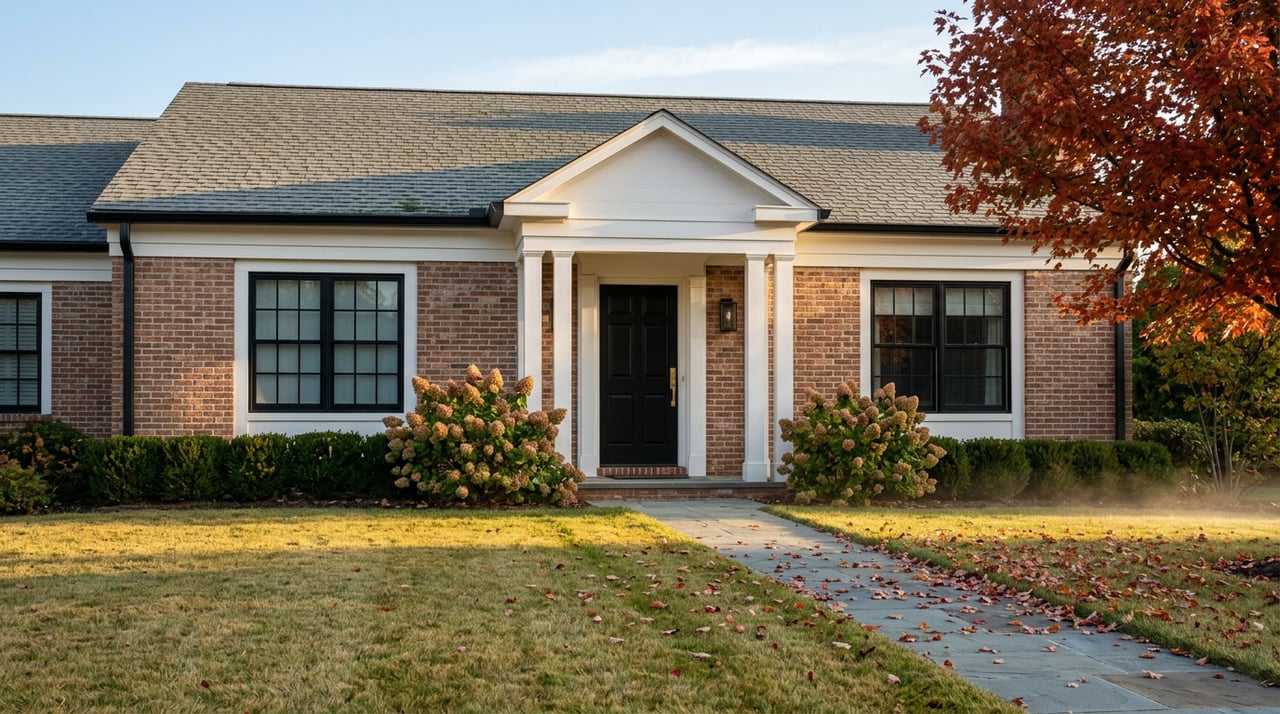
You will see a blend of housing types in East Haddam. Near the river and historic districts, 18th and 19th-century Colonial, Federal, and Victorian homes line village streets. Inland, larger lots with classic farmhouses, barns, and rural properties offer more space and privacy.
Renovated and newer riverfront homes exist as well, including properties with private docks on select parcels. Condominiums are less common than single-family homes, though you may see small multi-unit options. Overall, the market leans toward single-family living with a strong emphasis on historic character and land.
Riverfront and historic properties often command a premium due to views, setting, and limited inventory. The second-home market is active, especially for buyers seeking a weekend base to enjoy the river and nearby cultural attractions. Older homes can offer great value and charm, but they may require more maintenance and thoughtful upgrades over time.
Riverfront buyer checklist
If you are considering a home on or near the Connecticut River, plan for a bit of extra diligence. Use this quick checklist to frame your conversations and inspections:
- Flood zone and insurance: Confirm if the property lies within a FEMA-designated flood zone, whether flood insurance is required for financing, and how elevation or mitigation measures affect premiums.
- Shoreline and dock permits: Ask about existing permits for docks, bulkheads, or shoreline improvements. New work often requires approvals from local land use boards and state agencies.
- Septic and well: Many properties rely on on-site septic systems and private wells. Verify age, capacity, and the most recent inspections and pump records.
- Historic district rules: If the home is within a historic district, understand design review processes and any restrictions that affect exterior changes.
- Internet and cell service: Coverage varies by provider in rural areas. Check provider maps and ask neighbors or local contacts for real-world performance.
- Commuting: Most residents drive. Review your likely routes to employment centers, rail stations in neighboring towns, and regional services.
- Seasonal maintenance: Budget for dock care, winterizing boats and plumbing, and the ongoing upkeep that comes with historic or waterfront structures.
A knowledgeable local advisor can help you line up the right inspectors, pull maps and permits, and coordinate town conversations so you know exactly what you are buying.
Practical notes on insurance, permits, and stewardship
Flood insurance can be mandatory if a mortgaged property is in a high-risk zone. Premiums vary widely based on elevation, construction, and mitigation. Reviewing FEMA flood maps and discussing options with a qualified insurance professional is a smart early step.
Shoreline projects typically involve both town and state oversight. Docks, bulkheads, and vegetation changes near regulated wetlands and riparian buffers often require filings and plans. This process protects habitat, water quality, and erosion control while helping owners maintain safe, durable waterfronts.
Environmental stewardship matters on the river. Thoughtful planting, invasive species management, and erosion best practices support a healthy shoreline and long-term property stability. Local land trusts and regional river organizations offer helpful guidance.
Seasonal rhythms and local events
Summer and early fall are peak seasons for boating, paddling, and theater. Expect a bump in visitors during Goodspeed Opera House performances and fair-weather weekends. Spring brings higher river flows and draws anglers chasing migratory fish.
Winter is peaceful, with clear-sky views, quieter trails, and a more residential feel. Many residents enjoy the slower pace and use the season for home projects, planning, and exploring parks without crowds.
Town events, farmers’ markets, and small festivals add texture throughout the year. Check current calendars for schedules as dates can shift each season.
Is East Haddam a fit for you?
If you value nature, water access, and historic character, East Haddam likely checks your boxes. You can spend mornings on the river, afternoons hiking a state park, and evenings at a regional theater, all within a short drive.
Second-home seekers find the combination of quiet privacy and cultural life compelling. Retirees enjoy the slower pace and scenic backroads. Buyers who are comfortable with a rural-to-suburban lifestyle, car-based errands, and occasional tourist traffic will settle in well.
To balance the picture, consider the practicalities: potential flood risk along the river, limited public transit, and higher upkeep for historic or waterfront homes. With the right due diligence and guidance, these factors become manageable tradeoffs for the lifestyle you gain.
How a local advisor makes it easier
Buying along the Connecticut River involves more moving parts than a typical suburban purchase. You want someone who understands shorefront regulations, historic homes, and seasonal ownership. You also want a steady hand on pricing, presentation, and negotiation.
With a Shoreline focus and concierge-level service, you receive clear guidance on inspections, permits, insurance, and contractors. If you are selling, elevated marketing, professional staging, and a tailored go-to-market plan help your property stand out. If you are buying, organized tours, neighborhood context, and thoughtful negotiation keep the process smooth and strategic.
When you are ready to explore East Haddam or another Connecticut Shoreline town, reach out to Tammy Tinnerello for a calm, highly skilled approach that puts your goals first.
FAQs
What should I know about flood insurance for East Haddam riverfront homes?
- If a mortgaged property is in a high-risk flood zone, flood insurance is usually required, and premiums depend on elevation, construction, and mitigation measures.
How do dock or shoreline permits work on the Connecticut River in East Haddam?
- Most new docks or shoreline changes require approvals from local land use boards and state environmental agencies, so confirm existing permits and plan timelines before you buy.
Are there public transit options for commuting from East Haddam?
- East Haddam does not have a major rail station, so most residents drive and use regional rail or bus services available in neighboring towns.
What are the common home types near the river in East Haddam?
- You will find historic Colonial, Federal, and Victorian homes in village areas, plus farmhouses and rural properties inland and some renovated or newer riverfront residences.
How is internet and cell coverage in East Haddam’s rural areas?
- Coverage varies by provider and location, so check provider maps and ask neighbors or local contacts for on-the-ground performance before you commit.
What maintenance should I expect with a riverfront or historic property?
- Plan for dock care, winterizing boats and plumbing, drainage and erosion attention, and more frequent upkeep for older systems and materials.
When is the best season for boating and fishing on the Connecticut River?
- Summer and early fall are prime for boating and paddling, while spring brings seasonal fish runs that draw anglers, weather and river conditions permitting.
Are there historic district rules that affect renovations?
- If the property is within a designated historic district, exterior changes may require design review and approvals, so factor that into your renovation planning.