Dreaming about a waterfront home in Noank? It is easy to picture the views, the harbor, and the slower village pace, but waterfront buying here takes more than falling in love with a setting. If you are considering a home in this corner of Groton, it helps to understand how boat access, older housing stock, flood review, and seasonal use all shape the ownership experience. Let’s dive in.
Why Noank Feels Different
Noank is a village in the Town of Groton on Fishers Island Sound, set between the Thames and Mystic Rivers on a small peninsula with water on three sides. That geography gives it a close-to-the-water feel and a compact street pattern that stands apart from larger coastal destinations.
What many buyers notice right away is that Noank feels like a lived-in maritime village, not a resort district. According to the National Register district description, the village is almost entirely residential, with two marinas, a yacht club, and commercial uses clustered near Pearl and Main Streets.
That matters because your day-to-day experience here may feel more tied to working waterfront activity than to seasonal tourism. For many buyers, that is exactly the appeal.
Waterfront Access in Noank
Marina use is part of daily life
Noank’s waterfront identity grew out of shipbuilding and harbor use, and today that legacy continues through modern marina activity. If you want a property near the water, it is smart to separate the idea of a water view from the reality of boating access.
Some homes may offer proximity to the harbor, while others may connect more directly to slips, moorings, or shoreline access. Those are very different ownership situations, and buyers should not assume they are interchangeable.
Moorings are regulated
In Noank Harbor, mooring access is managed through the Town of Groton Harbor Management Commission and the harbormaster. Town code requires a permit to place a mooring in harbor waters, and the commission maintains a public waiting list.
That means mooring access is formal and documented, not casual or first-come in practice. Vessel details and mooring records are tracked, and private shorefront owners may apply for a mooring permit near their property, subject to the rules and approval process.
Ask these questions before you close
If boating is part of your plan, due diligence should go well beyond the listing description. You will want to verify exactly what kind of access exists and what responsibilities come with it.
Consider asking:
- Is access tied to a private marina slip, a town-permitted mooring, or shoreline access only?
- Is there a waiting list for a mooring or slip?
- Is the location appropriate for your vessel’s length and draft?
- What maintenance, inspection, and storm-prep obligations apply?
Town code also states that vessels and moorings must be secured with proper care and equipment. The harbor commission sets tackle specifications and inspection procedures, and the harbormaster can address unsafe or unpermitted moorings.
Public Water Access Has Limits
Some buyers are drawn to Noank because they want a walk-to-water lifestyle, even if they do not need full private dockage. That can be a great fit, but it is important to understand what public access does and does not provide.
The town-owned Main Street Dock and Beach at the end of Main Street offers public access, but it closes at dusk, does not allow overnight docking, and has limited public parking. For buyers, that is a useful reminder that being near the water is not the same as having flexible guest dockage or overnight use.
Historic Homes Define the Village
Older homes are part of the charm
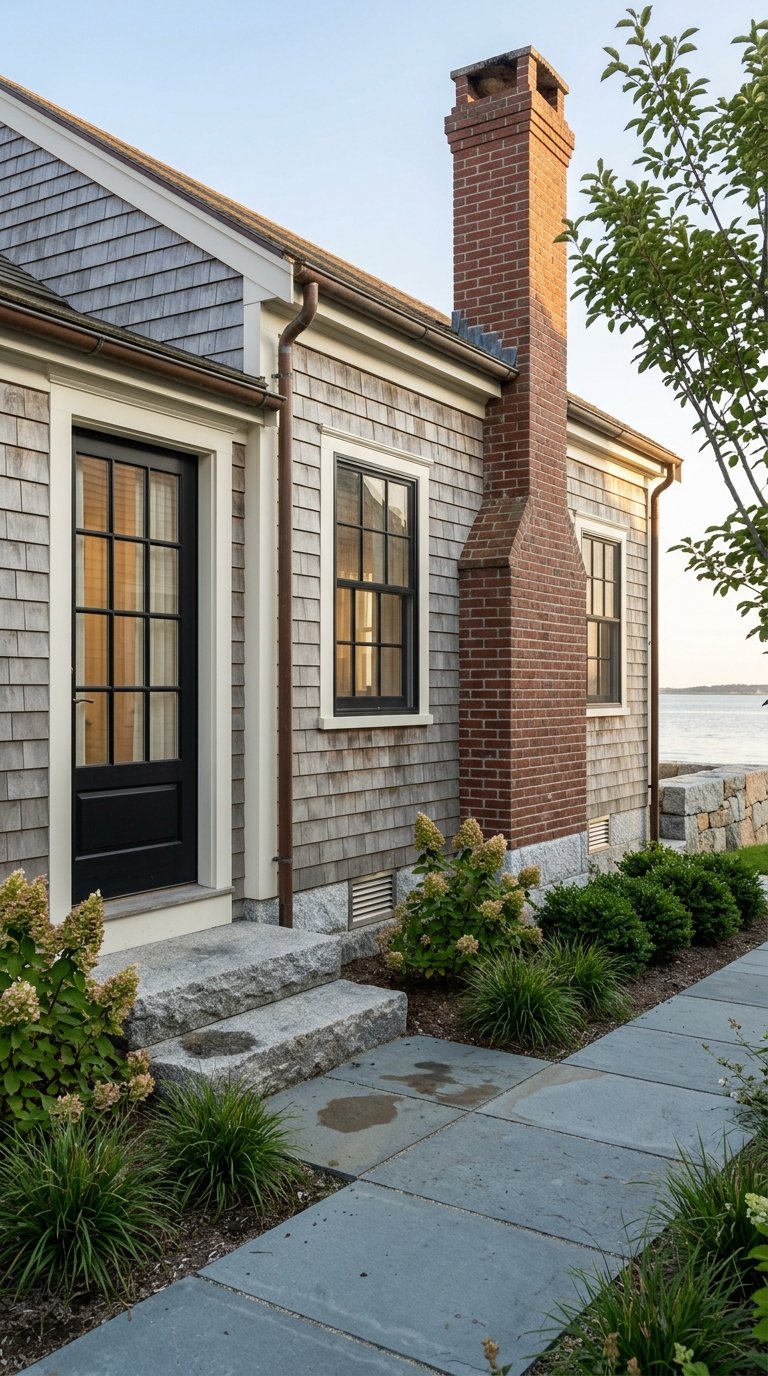
Noank’s housing stock is a major part of its character. The National Register nomination notes that only a few houses date from before 1840 or after 1910, and many homes are small Greek Revival dwellings with sea-related ornament.
In practical terms, that means buyers should expect older construction, village-scale lots, and a dense residential fabric shaped by narrow, winding streets. If you love history and architectural character, Noank can be especially compelling.
Charm should be matched with documentation
A beautiful older waterfront or near-water home can be a wonderful purchase, but the right question is not only whether it is charming. You also want to know how well it has been maintained over time.
That includes the structure, mechanical systems, past additions, and any waterfront-related improvements. In a village with older homes and coastal exposure, records matter.
Inspections deserve extra care
Because many Noank homes reflect a 19th-century village setting, buyers should plan for thoughtful inspections. A more thorough review can help you better understand both visible updates and long-term maintenance needs.
Useful questions include:
- How old is the original structure?
- Have there been major additions or repairs tied to the waterfront setting?
- Are there signs of prior storm damage, settlement, or recurring moisture issues?
- Do historic features or coastal conditions call for deeper inspection by specialists?
Flood Review Should Be Property Specific
Every parcel deserves a close look
FEMA identifies its Flood Map Service Center as the official public source for National Flood Insurance Program flood hazard information, and FEMA also notes there is no true no-risk zone. In Noank, that is especially important because the shoreline setting can affect properties differently from one parcel to the next.
Even if a home is not directly on the water, you should still confirm the parcel’s flood designation. A short distance can make a meaningful difference in risk, insurance considerations, and future planning.
Local rules matter too
The Town of Groton code includes a Flood and Erosion Control chapter, which highlights that flood risk is also managed at the local level. Buyers should confirm whether flood insurance may be required or advisable and whether past or planned improvements affect the floodplain, shoreline, or drainage system.
This is one of the most important parts of waterfront due diligence. What you can do with a property later may depend on facts that are not obvious during a first showing.
Shoreline Improvements Usually Need Review
If you are thinking about adding a dock, float, bulkhead work, or another shoreline feature, do not assume it will be simple. In Noank Harbor, the Harbor Management Commission reviews proposals affecting real property on, in, or contiguous to the harbor, along with related permit notices within its jurisdiction.
Connecticut DEEP also explains that a coastal owner’s right of access may be exercised by launching from shore, using a mooring, or building a dock that is properly permitted. The key idea for buyers is simple: access rights do not remove the need for approvals.
If a future improvement is important to you, that conversation should happen early in your buying process.
Think Beyond Summer Use
Noank supports more than a seasonal lifestyle
Noank has long attracted seasonal interest, but it has also remained a largely year-round village. The National Register report notes that summer residents began arriving around 1900, yet vacationers have remained less evident here than in nearby villages.
That mix can be a strong advantage if you want a second home that still feels grounded in everyday village life. It can also appeal to year-round owners who prefer a smaller-scale coastal setting.
Winter function matters
If you plan to use a Noank home outside peak season, be practical about how the property performs in January as well as July. Waterfront ownership is not just about views. It is an operating system that includes access, weather readiness, and maintenance.
Buyers should confirm:
- Winter access to the property
- Slip or mooring storage arrangements
- Heating and backup systems
- Storm preparation responsibilities
- Whether the home supports your intended level of year-round use
The town dock’s no-overnight rule and the harbor code’s focus on storm precautions reinforce the same point. Everyday logistics matter here.
Who Noank Waterfront Living Fits Best
Noank tends to work well for buyers who want three things at once: maritime access, historic character, and a smaller-village pace. It is especially appealing if you value a setting that feels authentic and residential rather than heavily resort-oriented.
At the same time, successful buyers usually come in with clear eyes. They understand that waterfront living in Noank calls for legal, physical, and practical homework before closing.
That is where thoughtful guidance can make a real difference. When you know what to verify early, you can move forward with more confidence and fewer surprises.
If you are considering a waterfront or village property in Noank, working with a local Shoreline expert can help you evaluate not just the home itself, but the full ownership picture. For tailored guidance on Connecticut waterfront buying, connect with Tammy Tinnerello.
FAQs
What makes Noank waterfront living different from other Connecticut shoreline areas?
- Noank offers a village-scale waterfront setting with a strong residential character, working marina presence, and less resort-oriented feel than some nearby coastal destinations.
How do moorings work for Noank waterfront buyers?
- Moorings in Noank Harbor require a town permit, are managed through the Town of Groton Harbor Management Commission and harbormaster, and may involve a public waiting list.
What should buyers verify about boat access in Noank?
- Buyers should confirm whether access comes from a private slip, a permitted mooring, or shoreline access only, and should also verify waiting lists, vessel fit, and maintenance obligations.
Are Noank homes typically older?
- Yes. The village is known for historic housing stock, with many homes dating to the 19th century and early 20th century rather than newer construction.
Why is flood due diligence important for Noank properties?
- Because Noank’s shoreline setting can affect flood exposure parcel by parcel, buyers should confirm flood designation, insurance implications, and whether any improvements involve the floodplain, shoreline, or drainage systems.
Can a buyer add a dock or other shoreline improvements in Noank?
- Possibly, but buyers should expect permits and formal review for many shoreline projects, including proposals that affect harbor-adjacent property.
Is Noank mainly for summer homes?
- Noank has long attracted seasonal buyers, but it has also remained a largely year-round village, which appeals to both second-home owners and full-time residents.
What is the biggest takeaway for Noank waterfront buyers?
- The biggest takeaway is that Noank can be a rewarding place to buy if you value maritime character and village living, but you should carefully verify access, permits, flood factors, and property condition before closing.