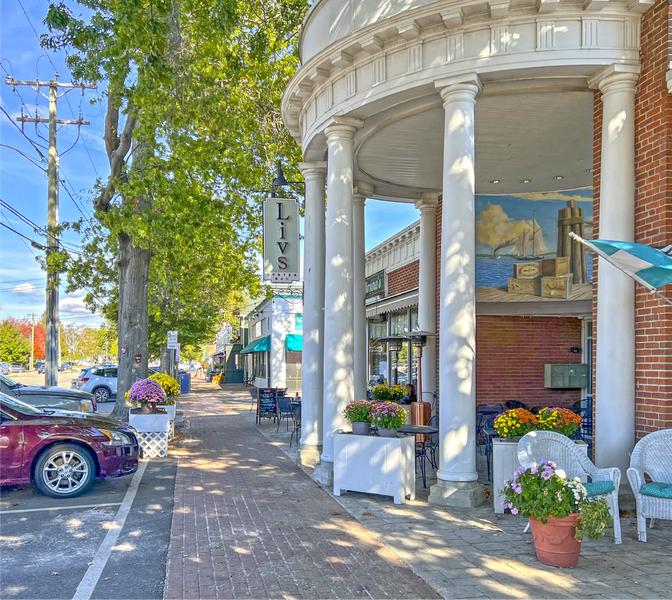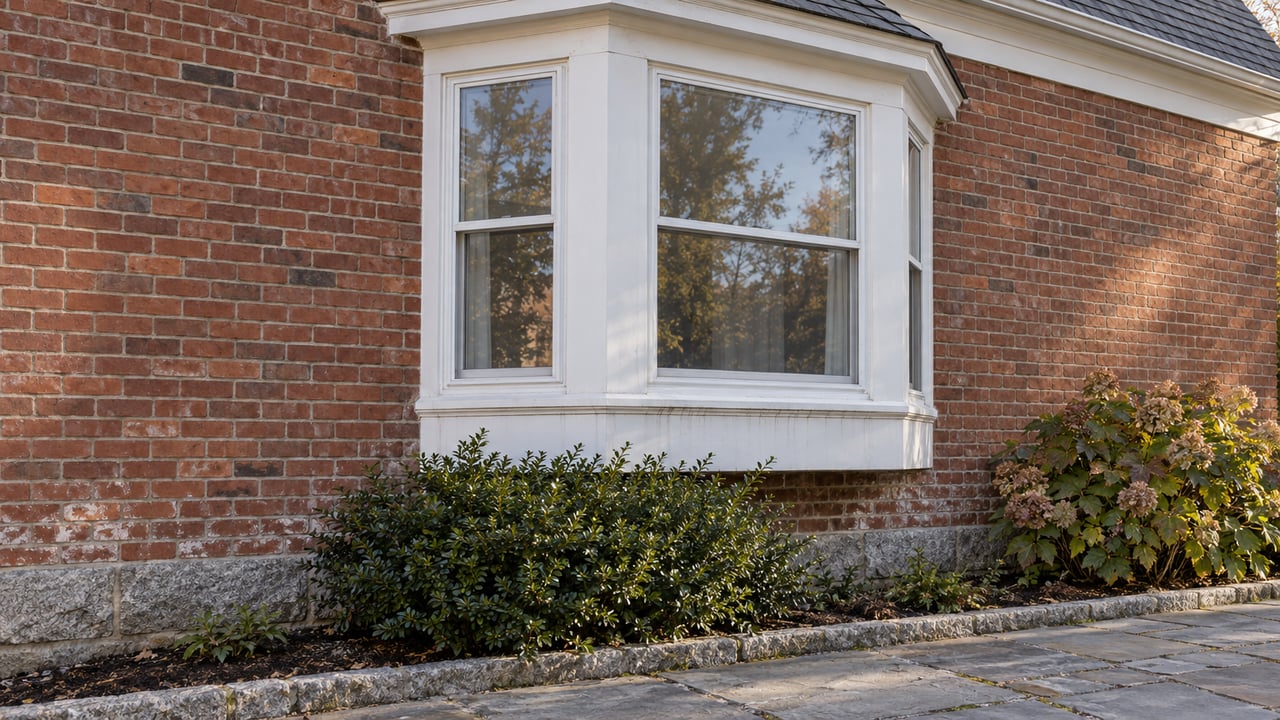
Most weekends, 107 Water Street stays closed. The apartment where poet James Merrill lived with David Jackson for more than forty years sits behind an ordinary Borough door, home to whichever writer is currently serving as the Stonington Village Improvement Association's writer-in-residence. Neighbors know it's there. Almost nobody else does. This weekend, for the first time most residents can recall, the door opens to the public as part of the Stonington Literary Festival, a three-day centennial celebration of Merrill's life running October 2 through 4.
The apartment tour is billed as a rare chance to step inside a National Historic Landmark. It's also something simpler. The Village Improvement Association has quietly run a writer-in-residence program out of that apartment for years, funding it, staffing it, and treating it as part of its regular civic portfolio alongside Christmas tree lighting, garden maintenance, and Little Free Library installations. This weekend doesn't introduce something new to the Borough. It opens the curtain on something that was already running.
A Program Most Visitors Never See
The Village Improvement Association's public reputation rests on the things everyone in the Borough already associates with it: the tree lighting in Wadawanuck Square, the Christmas Stroll that follows it, the restoration of Cannon Square, the upkeep of Wayland's Wharf and the COMO Pond, the Little Free Libraries scattered around town. The James Merrill apartment and its writer-in-residence program sit on that same list, just quieter. The organization owns the apartment, maintains it, and keeps a working writer inside it most of the year, the same way it keeps a garden club partnership running or a holiday tree lit.
That's why the festival's programming leans so heavily on names most residents would recognize from other contexts. Christie Max Williams, the Borough's poet laureate, hosts the festival's open mic. Sibby Lynch, a familiar figure in Stonington's local history circles, joins scholar Willard Spiegelman for a session on Merrill's life in the village. The program didn't need to import a literary infrastructure from outside. It already had one, built by an organization better known locally for lighting a Christmas tree than running a national festival.
Borrowed Rooms, Not Borrowed Effort
The festival's other trick is architectural. Look at where the sessions actually happen and a pattern shows up fast. Saturday's morning and midday blocks split across four buildings: Borough Hall, the New England Science and Sailing building, the Stonington Borough Fire House, and La Grua Center. None of these were built for a literary festival. Borough Hall runs Warden and Burgess meetings and Planning and Zoning hearings most months. NESS spends its year teaching sailing, marine science, and powerboating to students as a STEM nonprofit, not hosting panels on twentieth-century queer literary history, which is exactly what happens there this weekend courtesy of Mark Doty and Mark Wunderlich. The Fire House hosts an object-based poetry workshop led by Timothy Donnelly on the same floor where equipment usually sits.
Lunch both days moves to the Portuguese Holy Ghost Society, a hall built for a different community's gatherings entirely. Saturday's Centennial Celebration Dinner, honoring the Merrill family, happens at The Hounds. Sunday's closing events, including a Hilton Als reading and a Water Street reading, land back at La Grua Center, the nonprofit cultural space that already hosts the Borough's concerts and art openings most of the year and already counts Bank Square Books, the Stonington Village Improvement Association, and The Day among its regular funders and partners.
Six buildings, none built for this, all already carrying other jobs in the Borough's calendar. The festival didn't rent an event space. It rescheduled six ordinary rooms for one unusual weekend.
The Bookstore That Already Had the Shelf Ready
Bank Square Books is running the festival's pop-up bookstore, and the reason it could say yes quickly is that the store already does most of this work quietly, year-round. It keeps a standing shelf of Merrill's books and titles by the program's past fellows, a partnership it maintains with the James Merrill House regardless of whether a festival is happening. The same partnership network includes Historic Stonington, which gives residency fellows access to the Lighthouse Museum, the Palmer House, and the Merrill Reading Room at the Woolworth Library. The Inn at Stonington lets fellows use its gym. The Stonington Community Center gives them a membership and beach access at duBois Beach. None of this was assembled for October. It's the ordinary support system a small-town residency program leans on every year, now visible to anyone attending the festival's public sessions.
Down at the Mill, the Tenants Keep Turning Over
Not everything in the Borough holds this still. A few minutes from Water Street, the Velvet Mill has spent the past year proving the opposite point. The building itself, a former textile mill dating to 1888, stays put. What changes constantly is who's operating inside it.
Velvet Espresso Bar closed in November 2025. Dock 9, the bar and restaurant that had opened its own cocktail concept in the Mill around the 2024 holiday season it had originally targeted, acquired the vacated Suite 41 in January 2026 and opened Stevie Lee's Cafe there, serving coffee, tea, and a short list of lighter offerings from 9 a.m. to 3 p.m. Dock 9 now operates two concepts under one roof, tucked in alongside Beer'd Brewing Company, Rum Tropic Distillery, Dave's Bicycles, Fun and Funky Vintage, and Zest Fresh Pastry. The Mill's tenant mix keeps rotating. Its address doesn't.
That's the real contrast worth sitting with. Stonington's civic and cultural life runs through the same handful of buildings year after year, stable enough that a centennial literary festival could slot into six existing rooms without disrupting anyone's normal schedule. Its commercial life, a few blocks away, keeps churning tenants inside one historic shell. Both are true of the same small town at the same time.
What's Actually Open This Weekend
For residents planning to drop in on any part of the festival, the practical details are straightforward:
- Most ticketed sessions run $25 each, with a two-ticket limit per order and registration required in advance
- Two events are free and livestreamed: the Emerging Voices open mic hosted by Christie Max Williams at La Grua Center, and the "Queer Life in the 20th Century" panel with Mark Doty and Mark Wunderlich at Borough Hall
- The James Merrill apartment at 107 Water Street is open for tours throughout the weekend, a rare exception to its usual closed-door status
- Stonington Village Literary Walking Tours and Poets Corner Cemetery Tours run throughout the weekend as well, both self-guided ways to see the Borough through the festival's lens without booking a specific session
By the second week of October, the rooms go back to their regular jobs. Borough Hall returns to Planning and Zoning. NESS gets back to sailing lessons. The Fire House clears its floor. The apartment door on Water Street closes again, and whoever is serving as this year's writer-in-residence goes back to working there in the quiet the program was built for in the first place.
If you're curious what it's actually like to live somewhere that runs this much of its public life through six familiar rooms, Tammy Tinnerello has spent her career in Stonington's neighborhoods and knows them at this level of detail. Work With Tammy Tinnerello when you're ready to talk specifics.