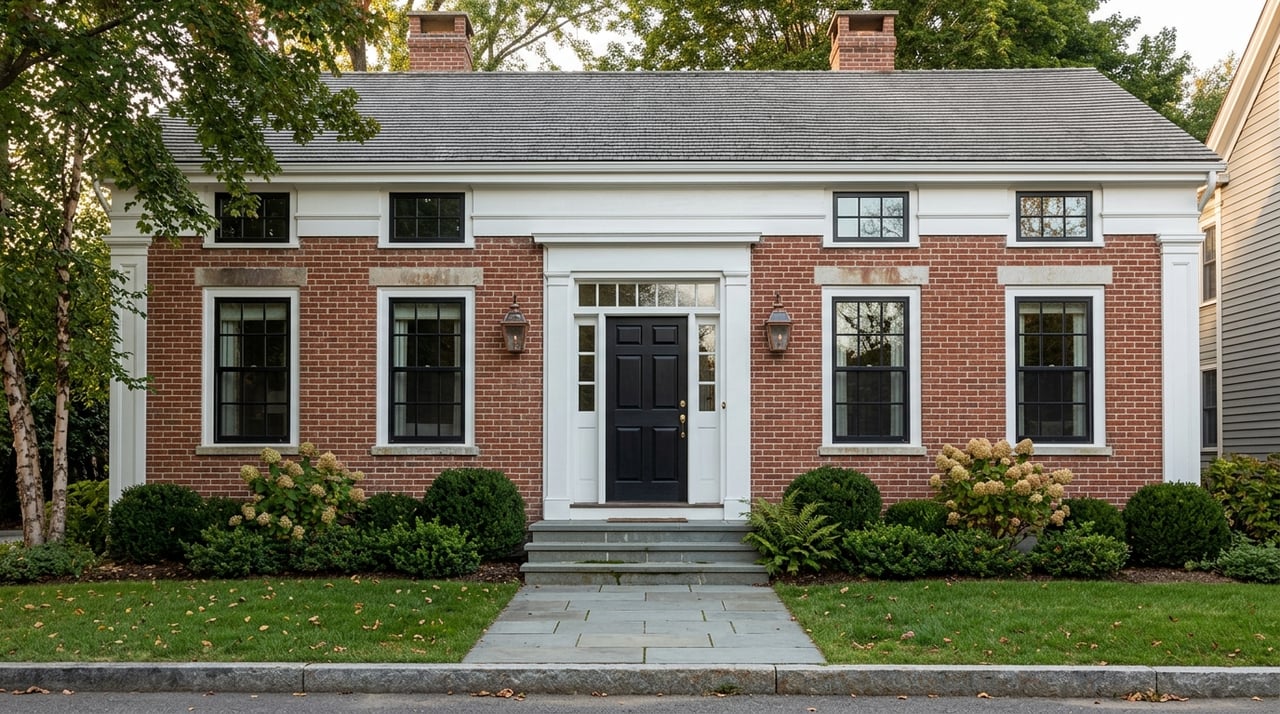
If you have ever imagined owning a home with real history, East Haddam’s village makes that dream feel very close. The setting along the Connecticut River, the mix of architectural styles, and the walkable historic streetscape can make a property here feel deeply special. But buying a historic home is not quite the same as buying a newer house, especially in a village where preservation rules, river-related conditions, and property-specific upkeep all matter. This guide will help you understand what to look for, what questions to ask, and how to buy with confidence. Let’s dive in.
Why East Haddam Village Stands Out
East Haddam Village sits on the east bank of the Connecticut River, with the town identifying an Upper Landing along Main Street and a Lower Landing near the Goodspeed Opera House. The village is known for historic homes and businesses, many with river views, and the area is closely tied to the riverfront landscape that shapes its character.
That setting is part of why buyers are drawn here. The town places the village within a broader river-gateway conservation area meant to protect the lower Connecticut River Valley’s natural, historic, and aesthetic qualities. For you as a buyer, that means the appeal is real, but so is the importance of understanding how that character is protected.
What Types of Historic Homes You May See
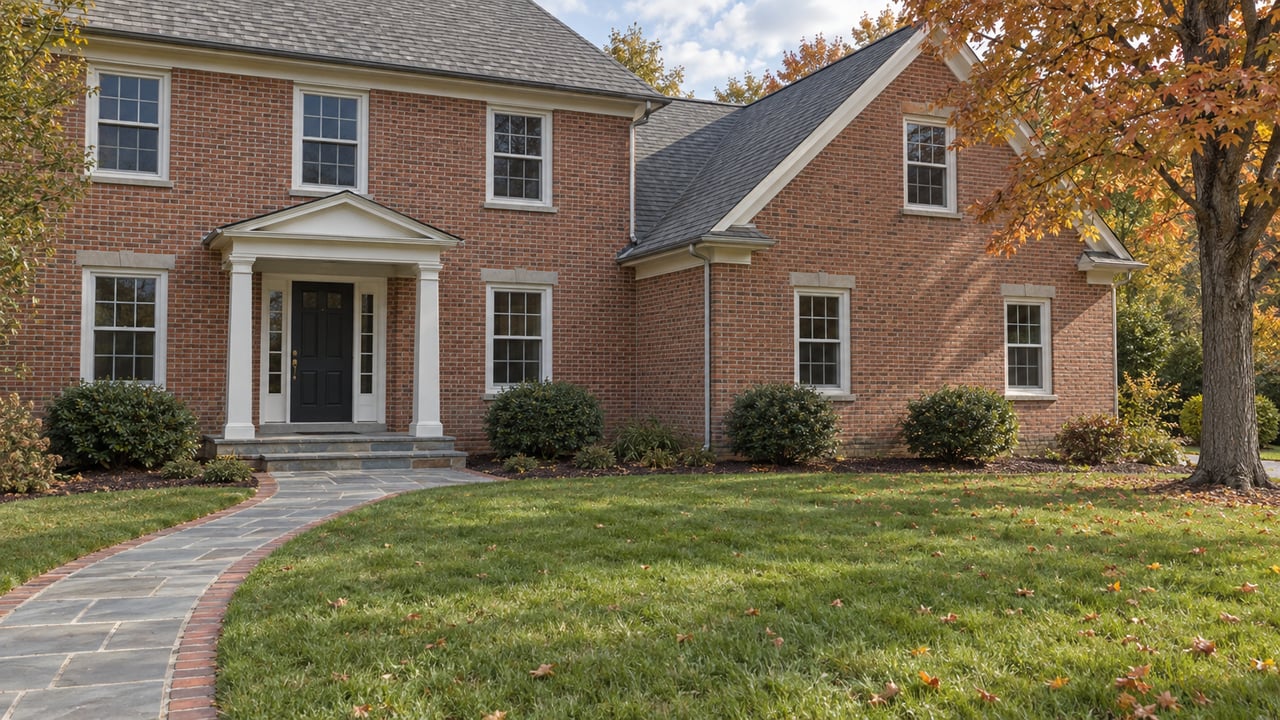
The East Haddam National Register District includes buildings dating from roughly 1750 to 1900. That gives you a wide range of styles rather than one uniform look, which is part of the charm when you start touring homes in the village.
You may come across:
- Pre-Revolutionary Colonial homes with simple forms and balanced layouts
- Late-Georgian houses with symmetry and traditional wood-frame construction
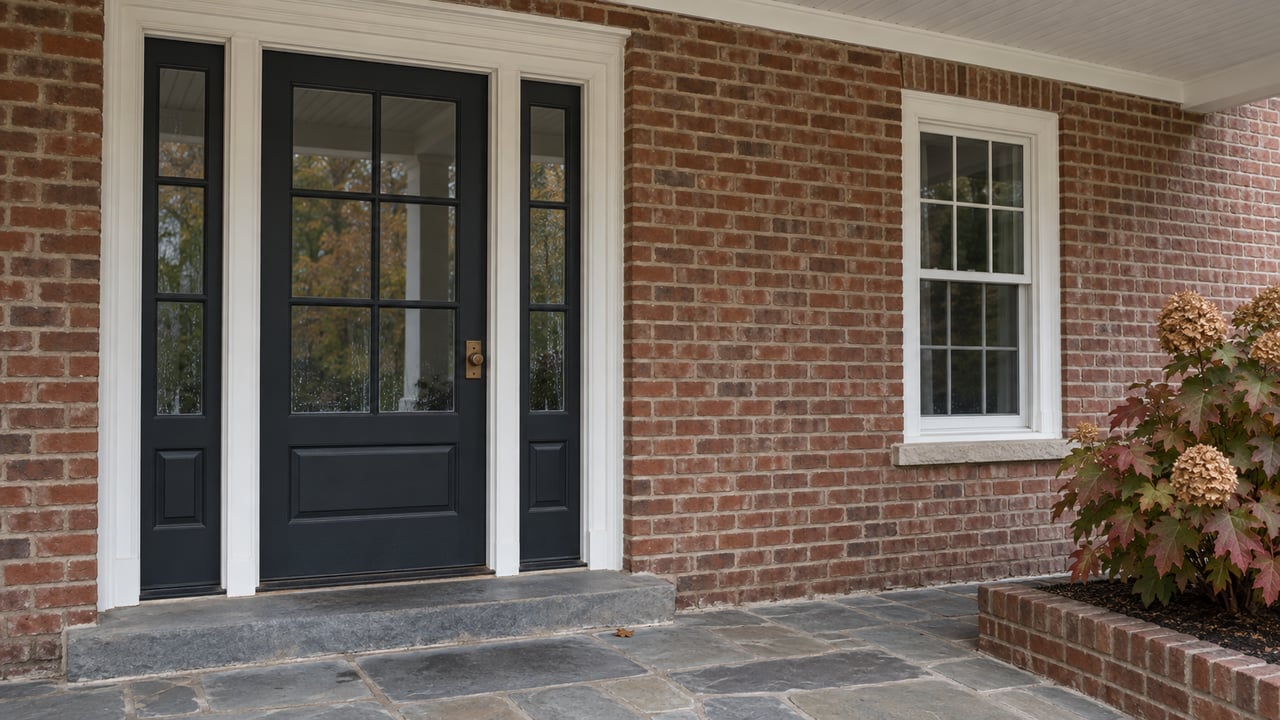
- Federal and Greek Revival homes with fanlights, pilasters, and more refined entry details
- Victorian-era properties with Gothic Revival trim, Italianate brackets, cupolas, or Second Empire mansard roofs
- Former commercial and lodging buildings that reflect the village’s river-based past and later residential use
Because of that variety, no two purchases feel exactly the same. A river-facing Colonial with original features presents a different set of questions than a later Victorian that has seen multiple updates over time.
Why Historic Status Matters Differently
One of the most important things to understand is that not all historic designations work the same way. A home may be part of a National Register district, but that alone does not automatically prevent an owner from making changes.
According to Connecticut’s State Historic Preservation Office, National Register listing by itself does not stop alterations. It can, however, support preservation efforts through grants, tax incentives, and some code-alternative reviews. For you, the key question is whether the property is also subject to local regulation and whether your plans would trigger review.
Check Local Village Rules Early
If a property is inside the East Haddam Village District, exterior changes and substantial reconstruction or rehabilitation can trigger review. The local regulations are designed to protect the district’s historic character, landscape, and public views from roads, the river, and public walkways.
Applications are judged on compatibility, including structures, plantings, signs, roadways, street hardware, and other visible site features. When an application qualifies, a village-district consultant reviews it. If the property is also within the East Haddam Historic District, approval from the Historic District Commission may also be required for items under that commission’s jurisdiction.
That means your due diligence should go beyond the house itself. If you are thinking about changing siding, replacing windows, adding a porch, moving a driveway, building a patio, or doing visible site work, it is smart to understand the review path before you buy.
What to Look for in a Listing
Historic-home listings in East Haddam’s village often tell only part of the story. The photos may highlight period charm, but your real job is to look for clues about condition, integrity, and what future work may involve.
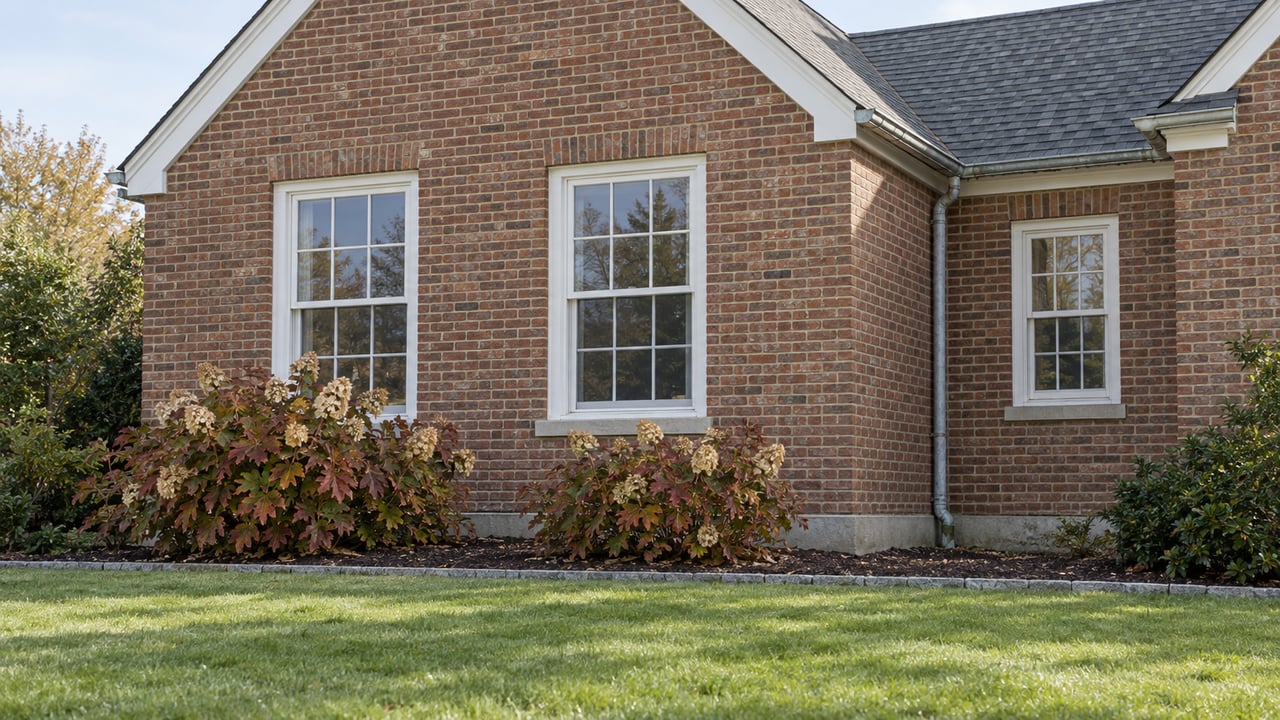
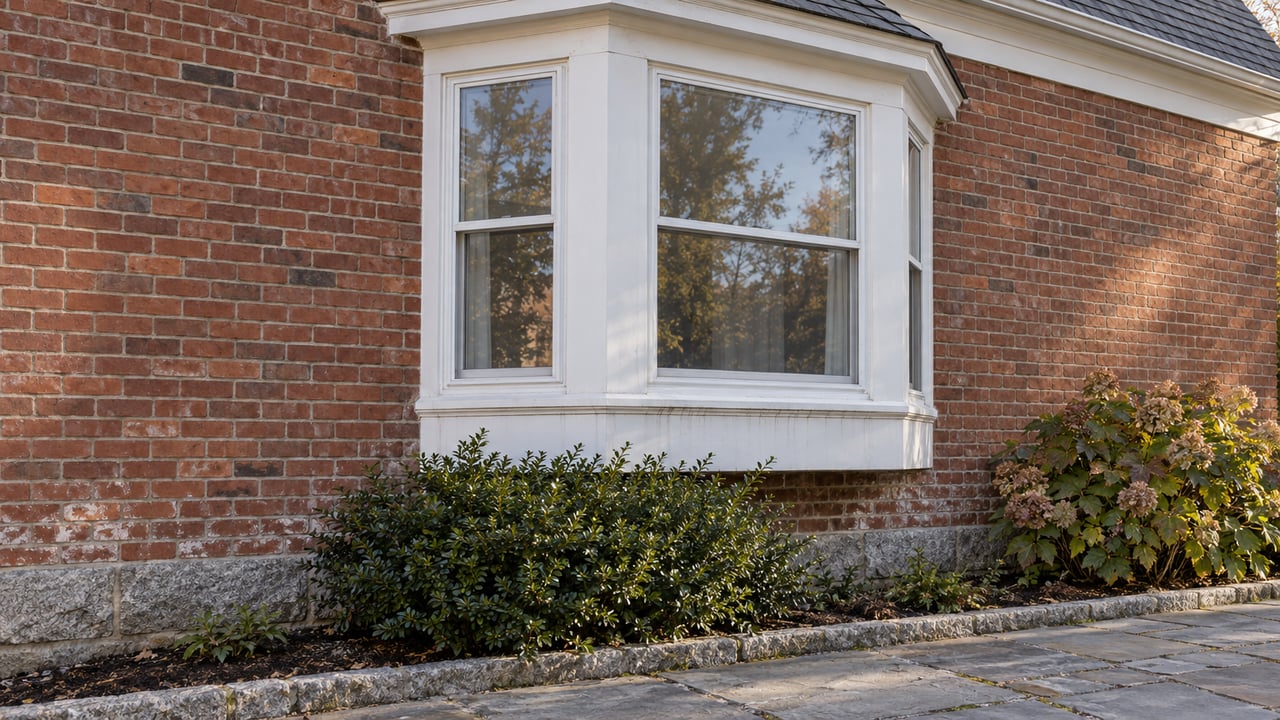
Pay close attention to original windows, roof materials, masonry, porch details, and later additions. In many of the strongest listings, the home still retains enough original fabric to reflect its history while allowing practical updates for everyday living.
You will also want to ask whether the home has been heavily altered. Local regulations emphasize preserving historic character and minimizing the removal or disruption of significant features, so the more intact a home is, the more carefully future changes may need to be planned.
Listing details worth a closer look
- Original wood windows and whether they appear repairable
- Roofing materials and any visible signs of deferred maintenance
- Brick or stone masonry that may need compatible repointing
- Porch columns, trim, brackets, and decorative wood details
- Additions that may differ from the original structure
- Site features near the river, including retaining walls, patios, and drainage patterns
- Driveway or landscape plans that could trigger local review
Riverfront and Hillside Due Diligence
In East Haddam’s village, location adds beauty but also another layer of practical review. Flood and drainage due diligence matter, especially for riverfront and hillside properties.
FEMA identifies flood maps as the official tool for understanding a property’s flood risk. In addition, East Haddam’s Inland Wetlands and Watercourses Commission requires permits for activities in regulated areas, including areas with poorly drained, very poorly drained, alluvial, and flood-plain soils.
If a listing is close to the river or includes sloped land, ask early about flood mapping, drainage history, wetlands constraints, and any planned site improvements. These details can affect not just your ownership costs, but also what you may be allowed to change later.
Maintenance Realities of an Older Home
Owning a historic home can be deeply rewarding, but it usually works best when you approach maintenance thoughtfully. In many cases, repair is more appropriate than replacement, especially when preserving original materials helps protect both character and long-term value.
For windows and doors, National Park Service guidance notes that historic features can often be repaired or upgraded. Storm windows and weatherstripping are common ways to improve efficiency, and historic windows should be repaired whenever possible.
Roofs deserve especially close attention. A weather-tight roof is essential to preserving the structure, and preservation guidance emphasizes maintaining roofing materials and planning for upkeep before failure becomes severe.
Masonry work also requires care. Repointing should use compatible methods because improper mortar repair can damage the masonry units themselves rather than protect them.
Common maintenance priorities
- Keep the roof watertight and monitor flashing and drainage
- Clear gutters and direct runoff away from the foundation
- Watch for open joints, cracks, and signs of moisture intrusion
- Repair original windows where possible before considering replacement
- Use compatible masonry repair methods when repointing is needed
Moisture Control Matters Near the River
Moisture is one of the biggest long-term concerns in any historic home, and that is especially true near a river setting. Preservation guidance notes that faulty roofs, blocked gutters, poor runoff handling, open joints, and saturated foundation conditions can all speed up deterioration.
When you tour a home, look beyond the finishes. Signs of staining, musty smells, peeling paint, soft wood, foundation dampness, or drainage issues outside can point to problems that deserve a closer look during inspections.
Could a Tax Credit Help?
If you are planning a qualified rehabilitation project, Connecticut’s Historic Homes Rehabilitation Tax Credit may be worth exploring. The state says eligible homeowners and nonprofit housing corporations may apply if the home is used as a living space and is listed individually on the State or National Register, or as a contributing resource.
The program requires a minimum rehabilitation expenditure of $15,000. Eligible homeowners may receive a voucher equal to 30% of qualifying rehabilitation costs, up to $30,000. If you are considering a project-heavy purchase, this is one of the practical benefits that can make a historic property more financially workable.
What the East Haddam Market Suggests
East Haddam is a relatively small market, and limited inventory can make standout homes feel even more competitive. Zillow reported an average home value of $434,710 as of April 30, 2026, up 4.7% year over year, with 25 homes for sale and a median list price of $604,150.
Realtor.com’s March 2026 snapshot showed 44 homes for sale, a median listing price of $585,000, median days on market of 35, and a sale-to-list ratio of 99%. In the 06423 zip code, which includes the village and surrounding areas, the median listing price was $724,000, pointing to a possible premium in the village and river-facing segment.
Redfin reported a median sale price of $560,000, up 34.6% year over year, with homes taking a median of 48 days to sell and closing at an average of 1.1% below list price. Taken together, the data suggest a small, nuanced market where pricing depends heavily on condition, updates, and setting.
How to Buy Smart in the Village
A historic home purchase in East Haddam’s village is rarely just about square footage or finishes. You are also buying into a protected riverfront streetscape, a specific architectural story, and a maintenance path that may be different from what you would expect in a newer home.
A smart approach usually includes:
- Confirming whether the property is within the Village District, Historic District, or both
- Reviewing any planned exterior or site changes before you commit
- Studying flood maps and asking about drainage, wetlands, and runoff conditions
- Looking closely at roofs, windows, masonry, and moisture control systems
- Weighing price against condition, not just location and charm
When you do that work upfront, you put yourself in a much better position to enjoy the character of the home without being surprised by avoidable issues later.
Why Local Guidance Helps
In a market like East Haddam, details matter. Two homes on the same street can have very different value depending on river exposure, condition, preserved features, and what local rules may mean for future plans.
That is why it helps to work with someone who understands how Shoreline buyers evaluate older homes, how village settings affect due diligence, and how to balance charm with practical decision-making. If you are considering a historic home in East Haddam’s village, Tammy Tinnerello can help you evaluate the opportunity with the calm, local guidance that this kind of purchase deserves.
FAQs
What makes East Haddam Village appealing for historic-home buyers?
- East Haddam Village offers a Connecticut River setting, a historic streetscape, a mix of architectural styles from roughly 1750 to 1900, and many properties with strong visual ties to the river and village center.
What is the difference between National Register status and local historic regulation in East Haddam?
- National Register listing alone does not automatically prevent alterations, but local village-district and historic-district rules may require review or approval for certain exterior changes and rehabilitation work.
What should buyers check in an East Haddam historic-home listing?
- Focus on original windows, roofing, masonry, porch details, additions, site work near the river, and whether future plans like patios, driveways, or exterior changes may trigger local review.
Why is flood and wetlands due diligence important for East Haddam village homes?
- Riverfront and hillside properties may have flood-risk, drainage, or regulated-area concerns, and permits may be required for certain activities in wetlands-related or flood-plain soil areas.
What maintenance issues matter most in a historic home in East Haddam?
- The biggest priorities are keeping the roof weather-tight, controlling moisture, maintaining gutters and runoff, repairing historic windows where possible, and using compatible methods for masonry repair.
Is there a Connecticut tax credit for rehabilitating a historic home?
- Connecticut offers a Historic Homes Rehabilitation Tax Credit for qualifying projects, with a minimum $15,000 rehabilitation spend and a potential voucher worth 30% of qualifying costs up to $30,000.
How is the East Haddam housing market performing?
- The market appears relatively small, with limited inventory and pricing that varies by condition and location. Recent 2026 snapshots showed median listing prices in the mid-$500,000s town-wide, with higher pricing in the 06423 area that includes the village and surrounding river-oriented properties.