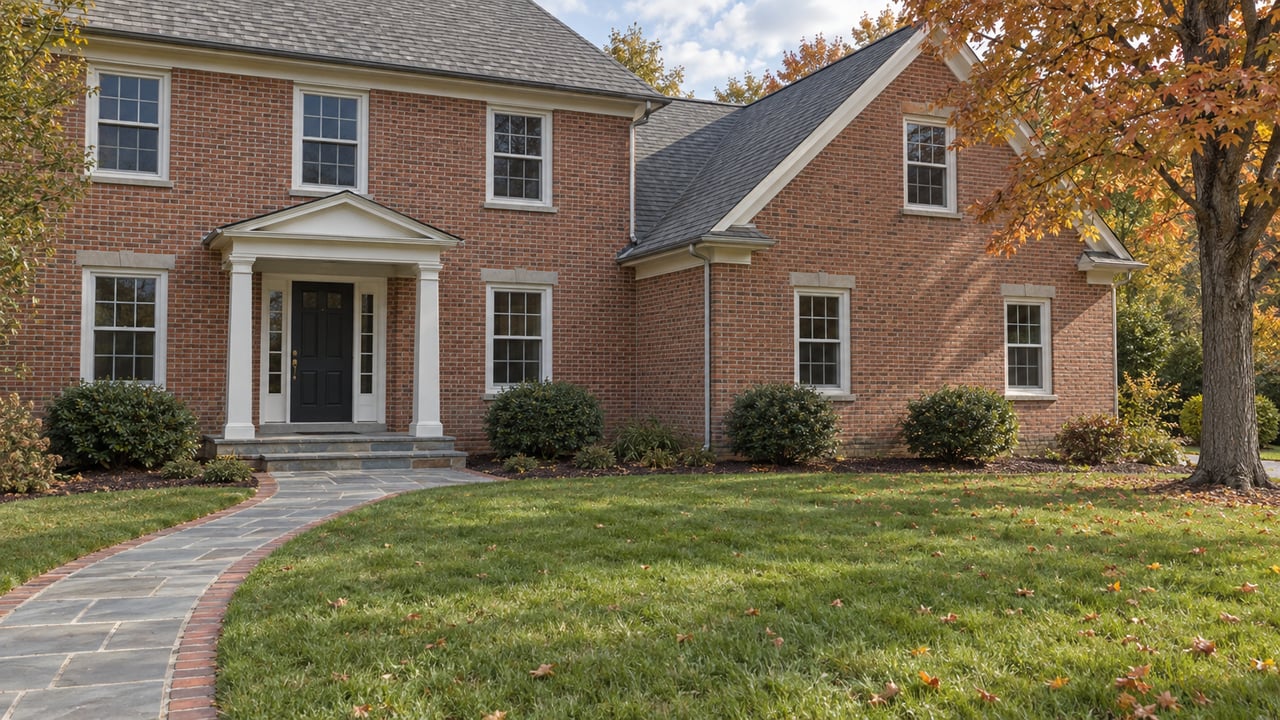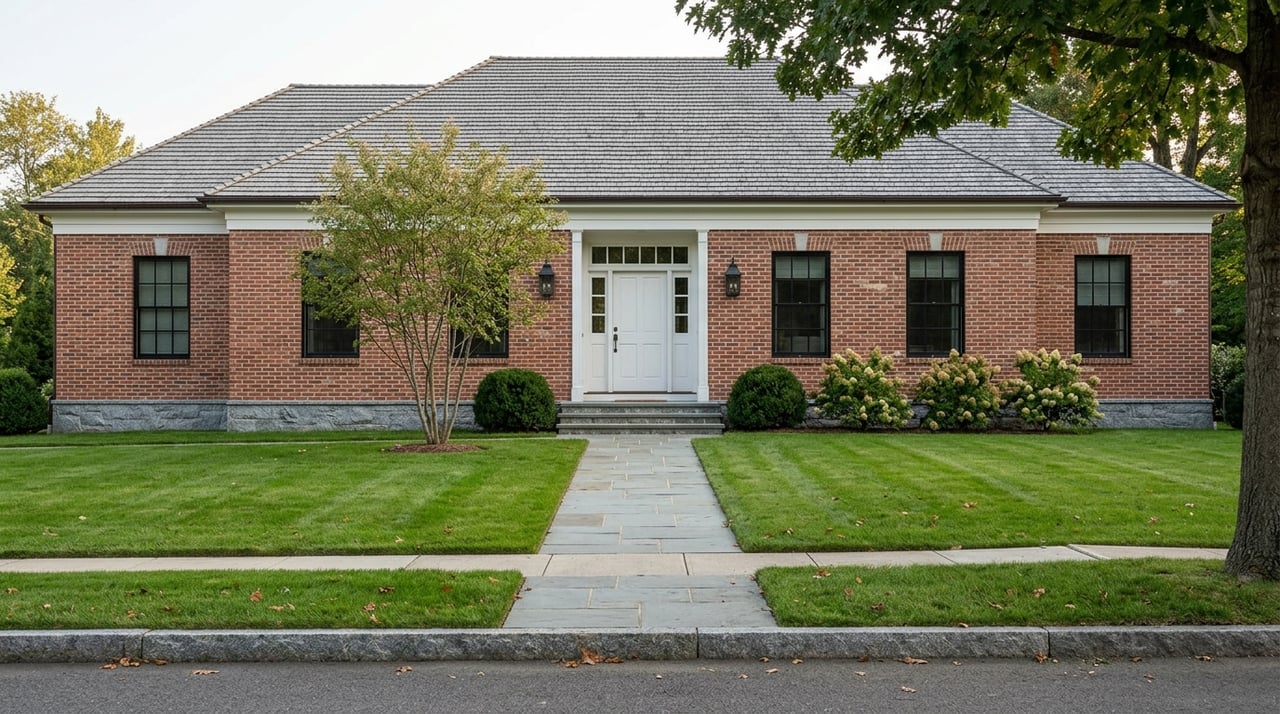
Wondering whether Stonington Borough or the surrounding coastal outskirts will feel more like home? It is a smart question, because in Stonington, a short distance can mean very different zoning rules, lot patterns, parking expectations, and day-to-day routines. If you are weighing charm and walkability against space and flexibility, this guide will help you compare the tradeoffs with confidence. Let’s dive in.
Borough vs. Outskirts at a Glance
The biggest difference is not just style. It is how the land is regulated and how that shapes daily life. Stonington Borough is a separate historic waterfront borough with its own zoning controls, while the surrounding Town areas follow a broader zoning system that includes larger-lot coastal and rural districts.
Inside the Borough, exterior changes and new structures need Borough zoning approval before the Town issues building permits. The Borough code is designed to protect historic sites and structures and preserve the character of a historic waterfront community with a natural harbor and coastal wetlands. Outside the Borough, Town districts such as RC-120 and RR-80 are built around a different pattern, with more emphasis on coastal resource protection, flood protection, and rural character.
What Living in the Borough Feels Like
Stonington Borough tends to offer a more compact, village-oriented experience. Borough zoning describes areas with older frame homes, moderately sized to very small lots, narrow streets, limited open space, and parking constraints. That creates a close-knit physical layout that many buyers associate with historic shoreline living.
You may also find that everyday responsibilities feel a bit more hands-on. The Borough living guide notes that homeowners are responsible for sidewalk upkeep, and snow must be cleared within 12 hours after a storm. Many homes do not have garages, so street parking often becomes part of the routine for both residents and guests.
For buyers who enjoy being able to move around on foot and stay close to the harbor, that tradeoff can be worth it. Stonington Village is also recognized by Connecticut as an official cultural district, reinforcing its village identity tied to arts, history, and waterfront character.
What Coastal Outskirts Offer
Outside the Borough, the pattern shifts toward more land and more separation between homes. Town residential districts such as RC-120 and RR-80 require minimum lot areas of 120,000 and 80,000 square feet, which signals a less compact residential layout than you typically see in the Borough.
RC-120 covers coastal areas that can include coves, estuaries, tidal marshes, and wetlands, and it is intended to preserve habitat and support flood protection. RR-80 is intended to retain rural character. For you as a buyer, that often means a more space-oriented setting and a different pace of living.
If you are looking for breathing room, more privacy, or a property that feels less village-centered, the outskirts may align better with your goals. The tradeoff is that daily convenience may rely more on driving than walking, and property due diligence can become especially important when wells, septic systems, or coastal review issues are in play.
Renovation Rules Can Differ Sharply
If you plan to renovate, expand, or make exterior changes, the Borough deserves extra attention. Its zoning framework includes preservation-oriented districts, and design rules require new buildings and substantial exterior work to preserve architectural character. In practical terms, a project that seems straightforward on paper may involve added local review.
The Borough’s Residence Preservation district is intended to allow some single-family housing and limited conversions while retaining historic structures. That can be a major plus if you value architectural continuity, but it also means buyers should not assume they can make exterior changes quickly or casually.
Outside the Borough, the issue is usually less about historic design control and more about site conditions, lot constraints, and coastal protections. If a property is near wetlands, flood-prone areas, or coastal resources, your renovation plans may still require careful review. The key point is that both settings need diligence, but for different reasons.
Parking, Streets, and Daily Logistics
Parking is one of the clearest lifestyle separators. In the Borough, streets are narrow, some main thoroughfares are one-way, and parking rules are specific. Wayland’s Wharf has 72-hour parking limits, and resident permits are required for nighttime parking.
That setup fits a historic village street pattern, but it is not for everyone. If you have multiple vehicles, frequent guests, or prefer the convenience of private off-street parking, these details matter. They can shape your day more than the home itself.
In the outskirts, parking and circulation are generally less defined by village density. While every property is different, larger lots and a more dispersed layout often support a less managed parking routine. For many buyers, that creates a calmer daily rhythm.
Water Access and Shoreline Lifestyle
Both areas connect you to the shoreline, but they do so in different ways. In the Borough, the appeal is often harbor-village proximity and the ability to enjoy waterfront access as part of daily life. DuBois Beach is in Stonington Borough, and the setting centers the harbor as part of the living experience.
Outside the Borough, the shoreline lifestyle can feel more dispersed and activity-based. The Town resident guide lists access points such as Barn Island’s public boat launch, kayak and canoe access at the Pawcatuck River Wildlife Area, and Sandy Point Beach, which is accessible only by boat. That tends to suit buyers who picture launching, exploring, and moving around the coast rather than stepping into a dense village setting.
If boating is part of your plan, local rules matter. The Harbor Management Commission oversees harbor waters, and the 2025 mooring guidance notes that moorings are not transferable, vessels require verified Connecticut DMV registration, and mooring holders need a means of access such as a dinghy or small powerboat.
Coastal Due Diligence Matters
Near-water property can be compelling, but it also calls for careful review. The Borough maintains flood-hazard and coastal-area maps, and its zoning documents include a coastal site plan application. Those are useful signals that waterfront and near-water properties may involve added review before you renovate or build.
If you are comparing options outside the Borough, utility and site-condition checks become especially important. A Town notice shows sewer billing can involve Aquarion Water Company, the Town of Westerly Water Division, or private water supply, and the Ledge Light Health District reviews lots served by onsite septic and or wells. You will want to confirm water, sewer, and septic status early in the process.
This step is especially important for second-home buyers or relocators who may be less familiar with shoreline property logistics. A home can look ideal at first glance, but the details behind access, utilities, and approvals often shape long-term satisfaction.
Which Option Fits Your Goals?
If you want daily convenience, village energy, and immediate harbor access, the Borough often stands out. It can be an especially appealing fit for full-time residents, second-home buyers, and downsizers who value character and do not need much land. You just need to be comfortable with smaller lots, stronger exterior-review rules, and a more managed parking environment.
If your priority is more land, more separation, and a setting that feels less compact, the coastal outskirts may make more sense. Buyers who want privacy, larger parcels, or a more rural or coastal-residential pattern often gravitate there. In many cases, the choice comes down to whether you want walkable waterfront intimacy or more space and flexibility.
Neither option is better across the board. The right choice depends on how you want to live, what kind of property upkeep you expect, and whether your future plans include renovations, boating, or a part-time residency pattern.
Choosing well in Stonington means looking beyond the view and into the rules, routines, and long-term fit. If you want a calm, local perspective on how a specific property lines up with your goals, Tammy Tinnerello can help you compare the details and move forward with confidence.
FAQs
What is the main difference between Stonington Borough and the coastal outskirts?
- Stonington Borough has its own zoning rules and a compact historic waterfront layout, while the surrounding Town areas use broader zoning districts that generally support larger lots, more separation, and a less village-oriented pattern.
What should buyers know about renovations in Stonington Borough?
- Exterior modifications and new structures in the Borough need Borough zoning approval before the Town issues building permits, and substantial exterior work is expected to preserve architectural character.
What are parking conditions like in Stonington Borough?
- Borough streets are narrow, some main roads are one-way, many homes do not have garages, and certain areas such as Wayland’s Wharf have time limits and resident permit requirements for nighttime parking.
What should buyers check for properties outside Stonington Borough?
- Buyers should confirm water, sewer, and septic status early, especially where properties may rely on private water supply, onsite septic, or wells reviewed by the Ledge Light Health District.
What should waterfront buyers review in Stonington?
- Waterfront and near-water buyers should check flood-hazard maps, coastal-area maps, and whether a property may require coastal site plan review before assuming an addition or renovation will be simple.