If you are selling a waterfront home in Noank or Groton, you are not just putting a house on the market. You are offering a very specific shoreline setting, a lifestyle tied to the water, and in many cases a property with details buyers cannot easily find elsewhere. That can be a real advantage, but it also means your sale needs the right timing, pricing, presentation, and preparation. Here is what helps waterfront sellers stand out in Noank and Groton and how to position your home with confidence. Let’s dive in.
Noank and Groton Are Distinct Markets
Noank is a small, highly place-specific village at the entrance to Mystic River Harbor, with water on three sides and a compact mix of homes, marinas, small businesses, and boating activity. It is also known for its preserved historic character, including 19th- and early-20th-century homes and architecture. For you as a seller, that means buyers are often responding to the setting and feel of the village just as much as the house itself.
The numbers also suggest a niche market. Public market pages currently show Noank with about 10 active listings, a median listing price near $799,000, and median days on market of 83. Groton is broader and more active, with about 90 active listings, a median listing price near $489,900, median days on market of 29, and 13 waterfront homes currently for sale.
That difference matters. In a small waterfront segment like Noank, you are competing in a thinner market where each listing gets close attention. Buyers tend to compare condition, water orientation, access, and character very carefully.
Why Timing Matters on the Shoreline
The first days your home is on the market matter a great deal. Realtor.com research for 2026 points to mid-April as a strong listing window nationally because of higher buyer traffic, better pricing conditions, and less competition than later peaks. It also notes that early engagement can influence how visible your listing becomes online.
That timing logic is especially important for waterfront homes in Noank and Groton. Buyers want to see porches, outdoor living spaces, shoreline edges, and water views looking their best. They also want to picture how the property lives during boating season and warmer months.
For many shoreline sellers, spring into early summer is a practical window to consider. Landscaping is fuller, exterior photos tend to be stronger, and docks, moorings, and access points are easier for buyers to understand. The goal is simple: launch when your home tells its story most clearly.
The Likely Buyers for Waterfront Homes
Understanding who is most likely to buy your home helps shape everything from pricing to photography to showing strategy. In Noank and Groton, waterfront buyers are often looking for more than square footage. They are looking for a coastal experience with practical benefits.
Boating-Oriented Buyers
Groton manages moorings and anchorage in areas including Noank Harbor, Lower Mystic River, West Cove, Palmer’s Cove, and Beebe Cove through its Harbor Management Commission. Town resources also note boat-related access points, including docking at the Noank Dock for limited periods and a non-motorized launch at Palmer Cove in Esker Point Waterfront Park. If your property has boating relevance, buyers may care deeply about dock usability, mooring potential, launch access, and how easy it is to enjoy the water.
Second-Home and Seasonal Buyers
Noank’s appeal naturally fits second-home and seasonal buyers. Its peninsula setting, historic district, marinas, yacht club presence, and recognizable New England coastal character make it different from standard suburban inventory. If your home has charm, porch living, water views, or a classic cottage feel, that story should be told clearly.
Relocators Seeking the Shoreline
The broader Groton market also benefits from regional economic growth. Town-sponsored housing information points to demand tied to General Dynamics Electric Boat, and Connecticut Public reported in 2025 that Groton was considering housing changes to help accommodate Electric Boat and Naval Submarine Base employees. Some waterfront buyers may want a premium shoreline location while still needing practical access to work.
What Makes a Waterfront Listing Stand Out
In Noank and Groton, the best waterfront listings usually combine character, access, and confidence. Character is what makes a home memorable. Access is what makes waterfront living practical. Confidence is what helps a buyer feel comfortable moving forward.
Character Sells the Setting
Many waterfront homes in Noank stand out because they are part of a larger village story. Historic cottages, older millwork, welcoming porches, and a setting that feels tied to the harbor can be more persuasive than simply offering more interior space. Buyers often respond to homes that feel authentic to the shoreline.
If your home has architectural detail or a strong connection to the village setting, that should be part of the marketing. Clear, accurate storytelling helps buyers understand why the property is special. It also helps distinguish your home from inland alternatives that may offer more square footage but less sense of place.
Access Adds Real Value
Waterfront buyers often ask practical questions early. They may want to know about dock rights, mooring possibilities, shoreline access, or proximity to launches and harbor activity. If your home offers any of these advantages, they should be documented and presented clearly.
This does not mean overpromising. It means giving buyers useful facts that help them understand how the property functions. The easier it is for them to picture real use, the stronger your listing becomes.
Confidence Reduces Hesitation
Waterfront homes come with more due diligence than many inland properties. Connecticut guidance makes clear that standard homeowners and renters insurance policies do not cover flood damage. State and local flood resources are also important for confirming risk, and Connecticut DEEP explains that activities involving tidal, coastal, and navigable waters may require permits or review.
For you as a seller, this means it is smart to organize documents before your listing goes live. Buyers may ask about flood zone information, insurance history, dock records, seawall or bulkhead condition, and past repairs or permits. When you can answer those questions early, you reduce uncertainty and strengthen trust.
Historic District Details Matter
If your property is in or near a historic district, buyers may also think about future exterior changes. Groton’s town guide notes that the Historic District Commission issues Certificates of Appropriateness for work in local historic districts. That can affect how buyers view future projects such as siding changes, replacement windows, visible additions, or exterior alterations.
This is not a negative. It is simply part of proper positioning. When a home’s historic context is explained accurately, buyers can better appreciate both the charm and the responsibilities that may come with ownership.
Pricing Needs Discipline
Waterfront sellers sometimes assume uniqueness alone will carry the price. In reality, narrow inventory can help, but it can also make overpricing risky. In a market with limited buyers and careful comparison shopping, an overpriced home can sit while fresh listings gain momentum.
Noank’s smaller inventory and longer median days on market suggest the need for discipline. Buyers at this price point tend to notice when a property is well-positioned versus aspirationally priced. A strategic launch supported by strong presentation usually creates better results than testing the market without a clear plan.
Presentation Is a Major Advantage
Online presentation is especially important for waterfront homes because buyers often fall in love with the setting before they ever schedule a showing. National Association of REALTORS research says 81% of buyers rated listing photos as the most useful feature during the online home search. It also found that 83% of buyers’ agents said staging made it easier for buyers to visualize a property as a future home.
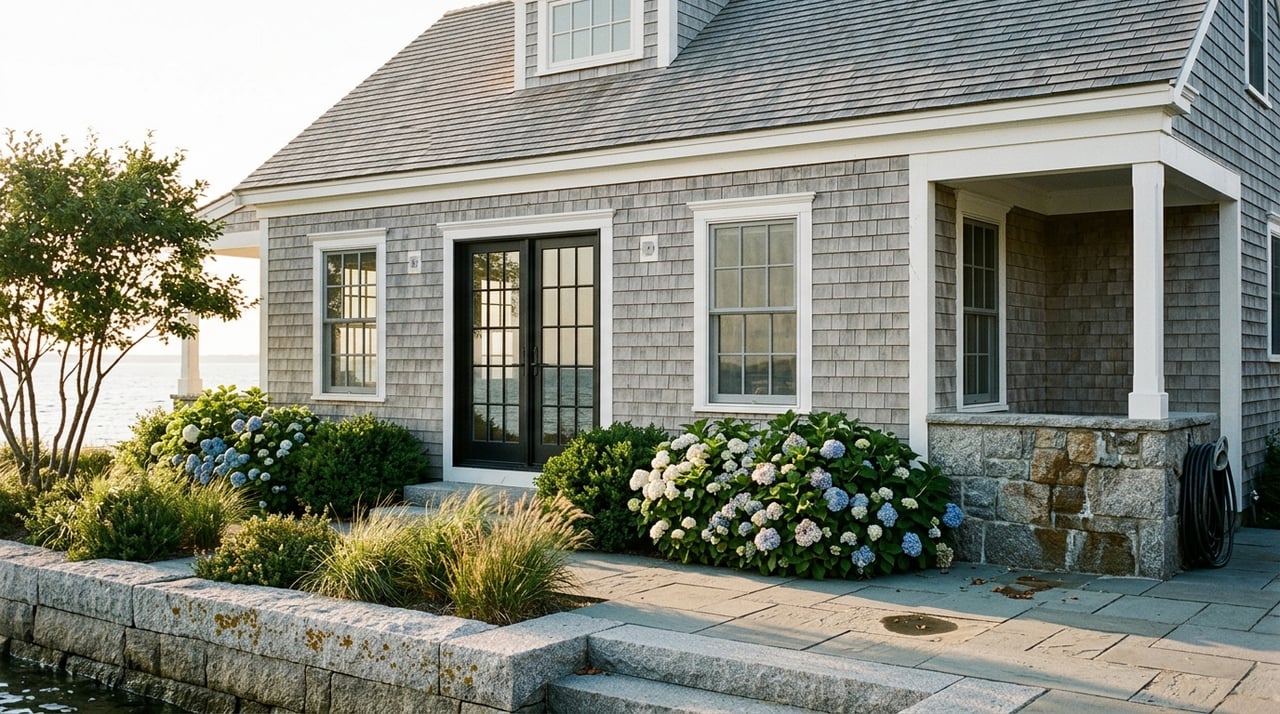
For a Noank or Groton waterfront listing, photography should do more than document rooms. It should show the home’s relationship to the water, the scale of porches and outdoor spaces, the shoreline edge, and any dock or boating features. It should also capture historic details or design elements that make the property feel distinct.
This is where a polished marketing package matters. Professional photography, thoughtful staging guidance, and a dedicated property microsite can help present floor plans, waterfront details, and property context in a way that serves both local and out-of-area buyers. In a niche market, that extra clarity can make a meaningful difference.
Outreach Should Match the Buyer Pool
In a small waterfront segment, broad exposure is helpful, but targeted exposure is essential. NAR notes that listing visibility improves when homes reach buyers through multiple channels early, including saved searches, email, and social media. For a waterfront listing, that principle becomes even more important.
The right outreach may include buyers already watching the shoreline, referral networks, relocation contacts, and people specifically interested in boating or seasonal coastal property. Your home should not rely on passive MLS exposure alone. It benefits from a focused launch plan that reaches the people most likely to value what makes it special.
Tammy Tinnerello’s approach fits this kind of property well, with professional photography, dedicated property microsites, targeted marketing, and hands-on listing strategy designed to elevate standout shoreline homes. For sellers in Noank and Groton, that kind of organized exposure helps ensure your property reaches the right audience quickly and professionally.
How to Prepare Before You List
A strong waterfront sale often starts weeks before the listing goes live. Preparation helps you control the story instead of reacting to questions later.
Consider focusing on these steps:
- Gather flood-zone and insurance-related information you already have
- Organize records for docks, seawalls, bulkheads, and shoreline maintenance
- Confirm any permits or approvals tied to waterfront improvements
- Identify features that support boating or water access
- Prepare exterior spaces so porches, patios, views, and landscaping show well
- Highlight historic details accurately if the home is part of that context
- Plan photography for a season when the property looks its best
None of this is about creating hype. It is about reducing friction for buyers and making your listing easier to understand. In a high-intent waterfront market, clarity is part of value.
If you are thinking about selling a waterfront home in Noank or Groton, the right strategy is rarely one-size-fits-all. A village cottage, a harbor-facing property, and a larger shoreline residence may all attract different buyers and require different marketing angles. Working with a local agent who understands how to present character, access, and due diligence together can help you move forward with more confidence.
When you are ready to plan your next step, connect with Tammy Tinnerello for a thoughtful, high-touch approach to selling on the Connecticut Shoreline.
FAQs
What makes selling a waterfront home in Noank different from selling elsewhere in Groton?
- Noank is a smaller, more niche waterfront market with limited inventory, a historic village setting, and buyers who often place high value on character, water orientation, and boating access.
When is the best time to sell a waterfront home in Noank or Groton?
- Spring into early summer is often a practical time to list because landscaping, views, porches, docks, and shoreline features tend to show best, and early listing momentum matters online.
What documents should sellers gather before listing a Groton waterfront property?
- Helpful materials can include flood-zone information, insurance records, dock or seawall details, shoreline maintenance history, and any permits or approvals related to waterfront improvements.
Why do buyers ask so many questions about flood risk for waterfront homes in Connecticut?
- Connecticut guidance notes that standard homeowners policies do not cover flood damage, so buyers often want clear information about flood risk, insurance options, and property history before making an offer.
Do historic district rules affect selling a home in Noank or Groton?
- They can matter to buyers because exterior changes in local historic districts may require review or a Certificate of Appropriateness, so it helps to explain the home’s historic context accurately.
How should a waterfront home in Noank be marketed online?
- Strong marketing usually includes professional photography, careful staging, clear details about water access and property features, and targeted exposure that reaches likely shoreline, second-home, and relocation buyers.