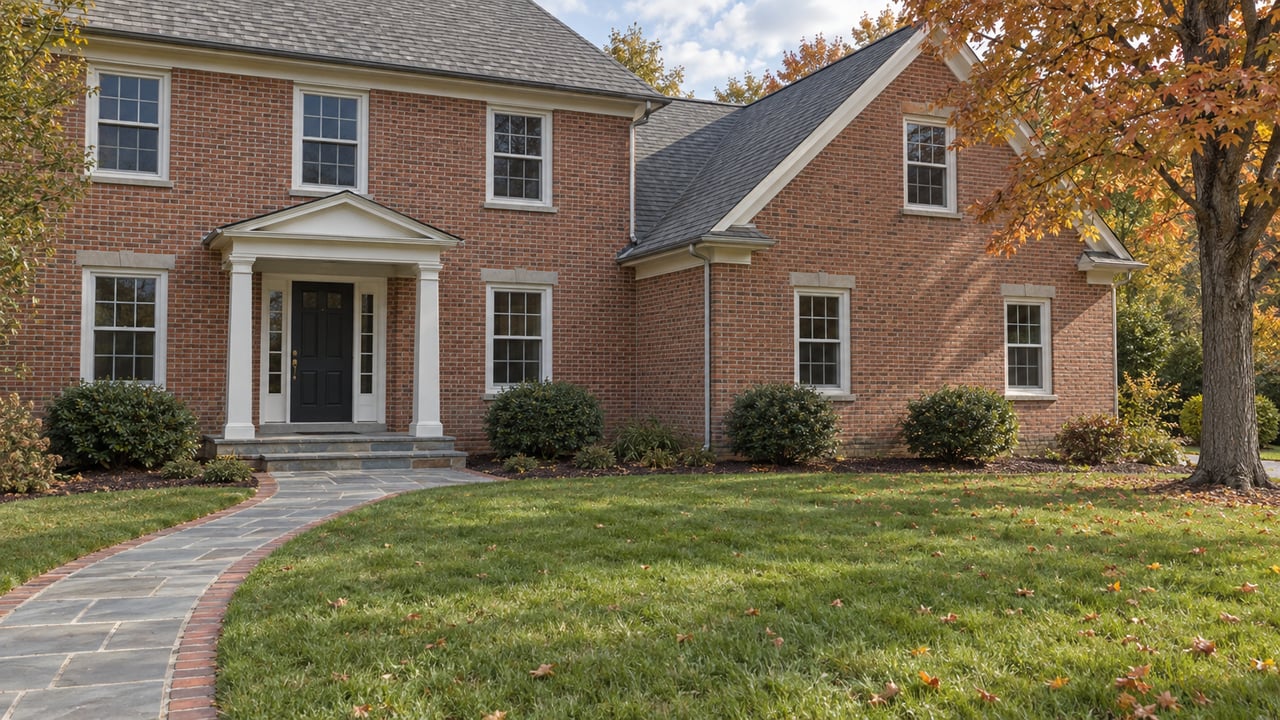
If you are eyeing a home on the water in Stonington, you already know it feels different from a typical purchase. Waterfront here is scarce, the best properties draw fast attention, and details like docks, flood maps, and mooring rules can make or break a deal. With the right plan, though, you can price with confidence, market strategically, and move cleanly to closing.
In this guide, you will learn how pricing works, who buys, what truly drives premiums, and how to navigate permits, flood considerations, and moorings. You will also see a practical listing plan you can use right away. Let’s dive in.
What “luxury waterfront” means here
Stonington is a higher-priced coastal market with a wide range of property types and price points. Public data vendors do not always agree on a single median because inventory is small and neighborhoods are grouped differently. For example, Realtor.com reported a median listing price near $1.3 million with a median days on market around 78 as of December 2025 (vendor snapshot; methodology varies).
Luxury stretches from renovated village properties with water views to estates with generous frontage and deepwater access. A recorded sale at 225 Wamphassuc Rd closed at $7.6 million on April 4, 2025, showing how high the market can go. Defining the local luxury cutoff is best done with a 12–24 month MLS analysis for your micro-area, then identifying the 90th percentile and adjusting for unique waterfront features.
Price bands and examples
- Entry tier: water-view condos or smaller cottages that can trade below $1 million depending on condition and proximity.
- Core luxury: direct waterfront homes and renovated village properties often trading above $1–$2 million.
- Flagship estates: rare parcels with long frontage, protected shoreline structures, and dockage that can trade in the multi-million range.
Who buys and why
You will see several buyer profiles in this niche. Many are equity-rich primary or second-home buyers from New York, Boston, Providence, and across Connecticut who want boating, walkability, and year-round coastal amenities. A significant share of luxury buyers purchase with cash, which lowers rate sensitivity and can speed up closings; you can reference Inman’s reporting on the prevalence of cash offers in the luxury market for context.
Local long-time owners also trade within the market, often prioritizing heritage properties, village lifestyle, and convenient access to marinas and culture. Understanding these motivations helps you tailor timing, presentation, and negotiations to the right audience.
What drives premium pricing
Certain attributes consistently command higher prices and faster absorption:
- Water access and depth. Direct, navigable deepwater access outperforms cove, pond, or view-only locations. See research on deepwater access premiums for context.
- Docking and mooring rights. Private, permitted docks rank highest, followed by permitted floating docks, then municipal moorings with potential waitlists. The town’s mooring framework is managed by the Stonington Harbor Management Commission.
- Views and orientation. Long sightlines and sunset exposure to Fishers Island or Long Island Sound can materially lift value. Peer-reviewed hedonic studies show water views and quality strongly influence pricing.
- Shoreline condition and permits. Well-maintained bulkheads or seawalls, sound erosion protection, and clear permitting history support value and reduce due diligence friction. Connecticut’s coastal permitting program governs changes to docks and shoreline structures.
- Village walkability and lifestyle. Proximity to Stonington Borough or downtown Mystic restaurants, marinas, and transportation increases everyday usability and potential rental appeal.
- Rarity and turnover. When a notable parcel with special frontage or a permitted dock comes to market, qualified buyers often act quickly because replacements are scarce.
Scarcity and seasonality you should plan for
Listing activity, buyer travel, and showings concentrate in late spring and summer. That aligns with boating and tourism seasons, which shape how buyers experience neighborhoods and water access. If your home shines in warmer months, consider timing photography and market launch to maximize light, curb appeal, and on-water showings.
Stonington’s waterfront inventory is inherently limited. Few vacant parcels remain in areas like Mason’s Island, Lambert’s Cove, Lords Point, and Stonington Borough. Long hold times by owners and mooring rules further constrain supply, which is why standout listings can draw swift, qualified attention.
Permits, flood, and moorings
Coastal permits 101
Shoreline work is closely regulated. In Connecticut, docks, bulkheads, dredging, and other activities that touch tidal wetlands or state tidal lands may require state approvals, and in some cases Army Corps filings. Review Connecticut’s coastal permitting program to understand scope, lead times, and documentation before you promise buyers any future improvements.
- Learn more: Connecticut’s coastal permitting program
Flood maps and insurance
Expect buyers and lenders to ask for documentation up front. Provide a FIRMette, any elevation certificates, and your flood insurance policy details if applicable. You can access official resources through the FEMA Flood Maps portal to prepare lender-ready materials.
Moorings and access logistics
Moorings, waitlists, and on-water rules influence day-one usability for a buyer. Stonington maintains mooring grids, fees, and procedures through the Stonington Harbor Management Commission. For complex waterfronts, also include relevant excerpts from the town’s Stonington Harbor Management Plan in your buyer packet.
What a strategic listing plan must cover
Use this checklist to prepare, present, and launch a luxury waterfront listing with confidence.
1) Market and pricing preparation
- Run a 12–24 month MLS comp study for your micro-area and identify the 90th percentile cutoff for “luxury.” Note vendor and date when you cite figures.
- Adjust for frontage, water depth and access, dock status, shoreline condition, and permitting history. Anchor pricing to the strongest recent closed sales.
2) Inspections and technical due diligence
- Order a full home inspection, plus septic, roof, and mechanical reports as applicable.
- Commission a marine inspection for docks, bulkheads, lifts, and mooring tackle. Use a local operator familiar with Stonington Harbor such as Don’s Dock.
- If a seawall or bulkhead exists, obtain an engineering assessment and gather prior permits. See the state’s coastal permitting program for scope.
- Pull flood documentation, including a FIRMette and any elevation certificates. Confirm insurance details through FEMA Flood Maps.
3) Legal, title, and permitting packet
- Provide a recent survey, deed, any riparian or dock easements, and copies of prior coastal permits.
- Document mooring assignments or membership details if applicable, plus a summary of the town’s mooring rules. Reference the Harbor Management Plan in your packet.
4) Presentation and staging plan
- Professionally stage key rooms and complete a deep clean before photos. Use data from NAR’s staging guidance to support the investment.
- Order interior, exterior, and twilight photography, plus drone footage, a 3D tour, and floor plans. Capture approach by boat where safe and allowed.
5) Marketing and distribution
- Launch through MLS and amplify with a dedicated property microsite, premium print collateral, and targeted digital campaigns. Build a private outreach list focused on high-net-worth buyers, yachting communities, and nearby metro areas.
- Require buyer pre-qualification or proof of funds for appointments. Consider broker previews and controlled showings to protect privacy.
6) Pricing and negotiation strategy
- Use a “comps plus uniqueness” approach, with documented adjustments for water access, dock permits, frontage length, and condition.
- Expect interest from cash buyers. Structure terms to reward certainty, such as strong deposits and clear due diligence timelines. See Inman’s reporting on cash share in luxury when discussing negotiation posture.
7) Closing readiness and handover
- Pre-order an updated survey, provide all permit and elevation documents to title, and work with an attorney experienced in coastal property.
- If mooring rights or memberships are part of the sale, document the steps and timing in writing and share a turnover checklist with the buyer.
Buying smart: your due diligence list
- Review flood maps, elevation certificates, and insurance quotes early so you understand total ownership cost.
- Confirm dock permits, condition, and any limitations with the state and town before you rely on future improvement plans.
- Verify mooring availability and waitlist details with the Stonington Harbor Management Commission so you know day-one boating options.
- Inspect shoreline structures and consider a marine engineer if you see signs of erosion or settlement.
- For village properties, ask about any historic or design review overlays and how they affect exterior changes.
How presentation and media change results
Great waterfronts deserve outstanding storytelling. Staging helps buyers picture the lifestyle, and industry data shows it can shorten time on market and support stronger offers. Reference NAR’s staging guidance when budgeting.
High-end listings perform best with professional interiors and exteriors, twilight photos, drone video of the shoreline, a 3D tour for remote buyers, and clear floor plans. A polished property microsite and targeted distribution to the right audiences increase qualified showings and protect privacy through pre-screening.
The bottom line
The Stonington luxury waterfront market rewards preparation. When you pair accurate pricing, clean documents, and standout presentation with strategic timing, you reduce friction and attract serious buyers. If you want a steady hand and a full-service plan tailored to your goals, let’s talk about next steps.
Ready to move forward on the Shoreline? Connect with Tammy Tinnerello for a confidential consultation.
FAQs
What qualifies as “luxury waterfront” in Stonington?
- It depends on recent sales in your micro-area; use a 12–24 month MLS analysis to identify the 90th percentile and adjust for frontage, dock status, access, and condition.
When is the best time to list a waterfront home?
- Late spring through summer aligns with boating and travel patterns, which can boost showings and how buyers experience the property.
How do moorings work for new owners in Stonington?
- The town manages mooring grids, fees, and waitlists; check procedures and timing with the Stonington Harbor Management Commission before you assume immediate access.
What permits are needed for dock or seawall work in Connecticut?
- Projects that affect tidal wetlands or state tidal lands often require state permits and sometimes Army Corps filings; start with Connecticut’s coastal permitting program for guidance.
How does flood insurance affect buying a waterfront property?
- Lenders and insurers rely on FEMA flood maps and elevation data; review a FIRMette, any elevation certificate, and insurance quotes early to understand costs.
Do cash offers change negotiation strategy on luxury listings?
- Yes; cash reduces financing risk and can speed closing, so sellers may weigh certainty and clean timelines heavily when comparing offers.