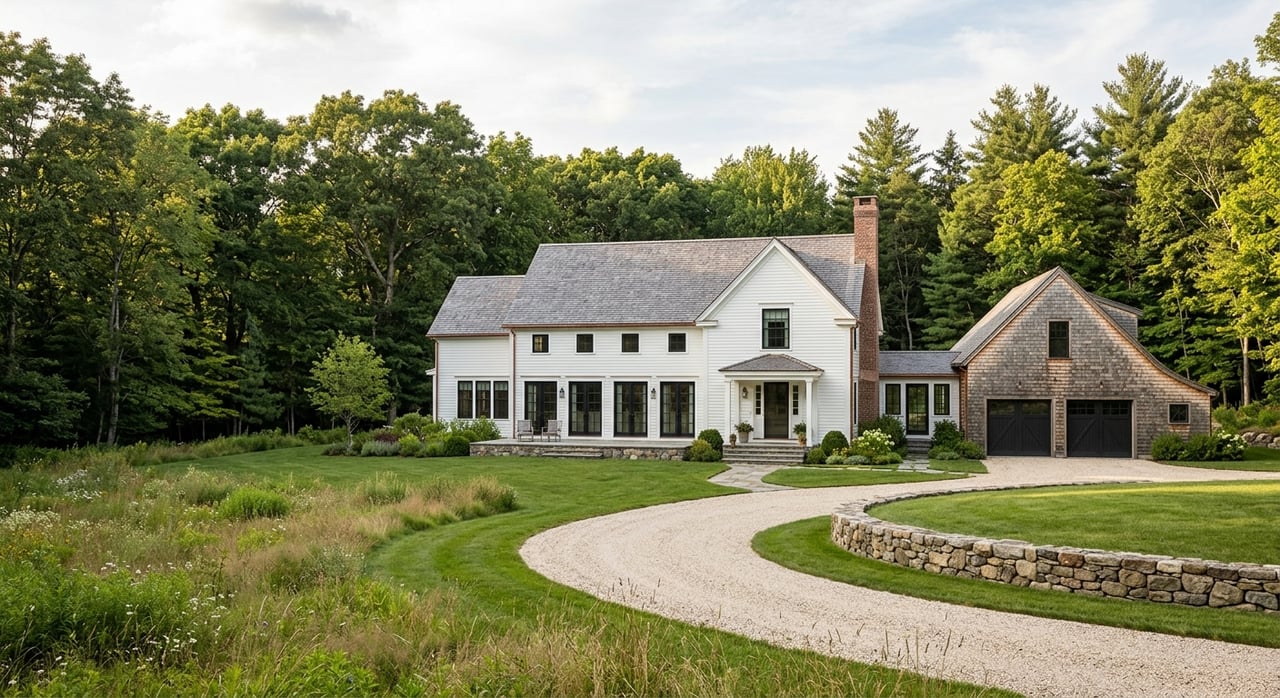
If you picture Connecticut living as a blend of quiet roads, protected land, and calm water access, Lyme may stand out right away. This is a town for buyers who want breathing room, privacy, and a landscape that feels intentionally preserved rather than heavily built out. Whether you are searching for a primary home, a retreat, or a property with acreage, understanding how Lyme actually lives can help you decide if it fits your goals. Let’s dive in.
What Lyme living feels like
Lyme is a small rural town in New London County on the eastern bank of the Connecticut River. According to the Town of Lyme, it has about 2,300 residents spread across roughly 30 square miles, which helps explain its low-density, wooded feel.
That setting shapes daily life in a very real way. Lyme is not built around a busy downtown or dense residential neighborhoods. Instead, the town’s own planning materials show that residents value rural atmosphere, open space, farms, and low crime, with preservation remaining a clear local priority in the 2025 Plan of Conservation and Development.
For you as a buyer, that means Lyme offers a lifestyle centered more on land, quiet, and natural surroundings than on convenience-driven growth. If that is what you are looking for, Lyme can feel very special.
Why open space defines Lyme
Lyme’s identity is closely tied to its protected landscape. The town’s planning documents describe a community organized around permanent open space, greenways, and habitat corridors, which gives the area a strong sense of continuity and privacy.
That commitment is also easy to see on the ground. Lyme Land Trust says it has protected more than 3,000 acres, and the trail and preserve network is extensive for a town of this size.
A few notable examples include:
- River to Ridgetop North with 920 acres and more than 13.5 miles of trails
- The broader River to Ridgetop network with more than 18 miles of trails across 1,314 acres
- Lyme Corner Trails with 422 acres and 12 miles of trails
- Hartman Park with 302 acres
- Mt. Archer Woods with 275 acres
- Hadlyme Hills with 476 acres
- Nehantic State Forest with 4,400 acres and 12 miles of trails
If your ideal weekend includes hiking, walking, birdwatching, or simply being outside, Lyme gives you that rhythm in an unusually strong way.
Trails and equestrian appeal
For buyers who want direct access to outdoor recreation, Lyme offers more than scenic views. Several trail systems welcome horseback riding, which adds meaningful appeal for equestrian-minded buyers or those looking for land that supports that lifestyle.
According to the Lyme Land Trust trail guidelines, horseback riding is allowed on select trails in Lyme Corner Trails, River to Ridgetop preserves, Chestnut Hill, Beebe, and Plimpton. Some preserves also allow both horses and non-motorized bicycles.
That matters because Lyme’s land-use pattern already leans toward larger lots and detached homes. When you combine acreage, privacy, and horse-friendly trail access, you get a town that naturally fits buyers seeking a more land-oriented way of living.
What homes in Lyme tend to look like
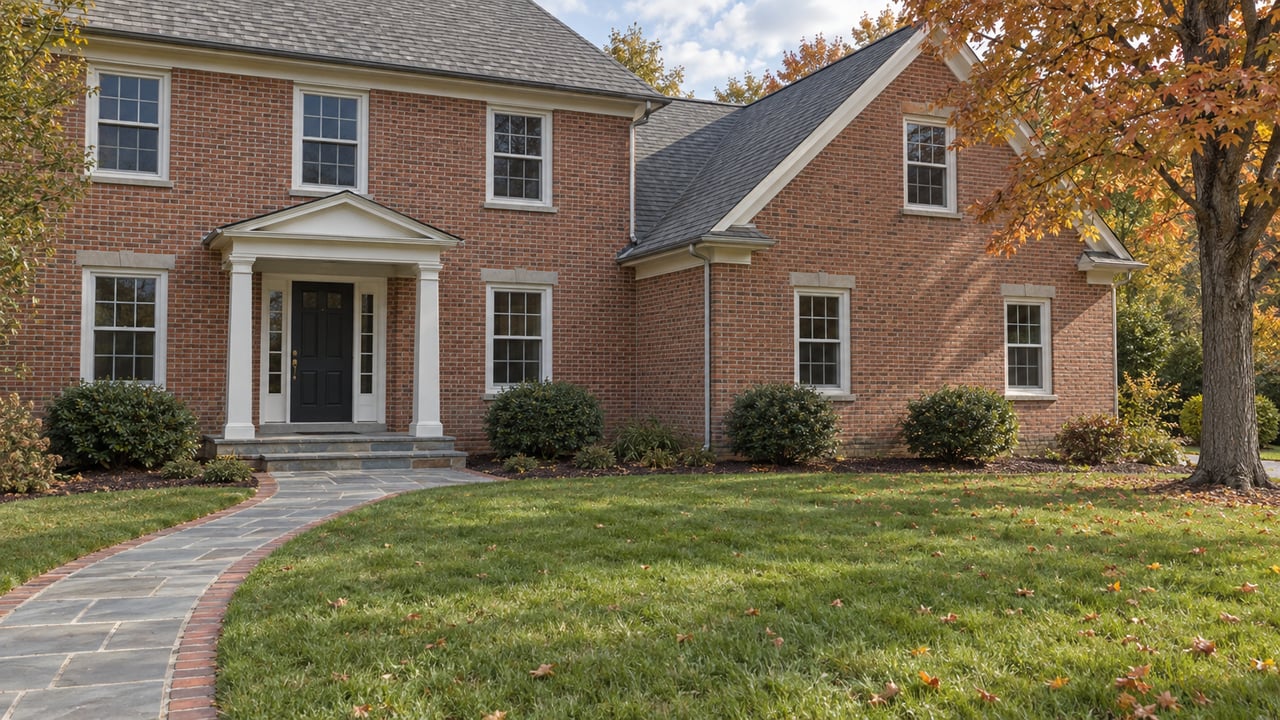
Lyme’s housing stock is overwhelmingly detached and low density. The town reports that 98% of its housing stock is single-family, and homeownership is high at 88%, according to the Town of Lyme profile.
The zoning pattern helps explain why. The town’s plan states that most of Lyme is zoned for one-, two-, or three-acre lots, and many properties rely on on-site septic systems, as outlined in the town planning materials.
In practical terms, you are more likely to find:
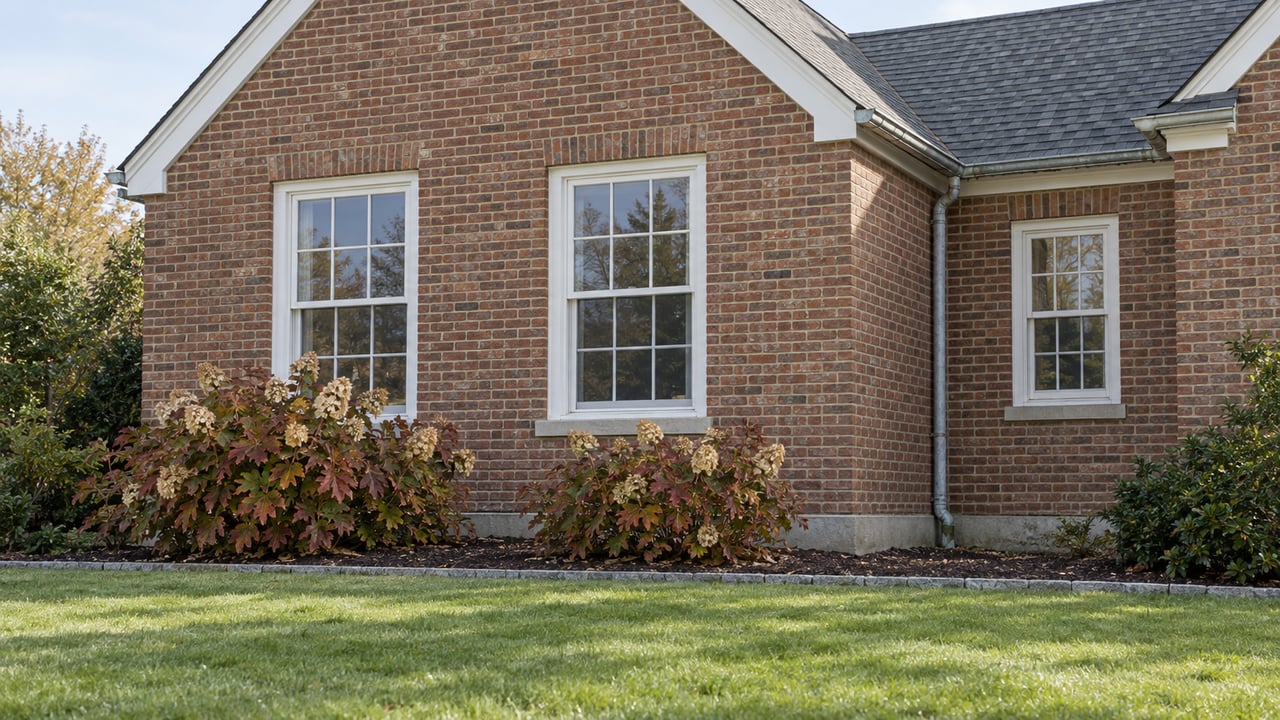
- Detached homes on larger parcels
- Farmhouse-style or country properties
- Estate-style homes with privacy
- Near-water or waterfront properties with a more tucked-away feel
- Homes where land, setting, and natural buffer are a major part of value
This is not the kind of market defined by dense subdivisions or a large supply of compact housing. Lyme’s appeal is tied to space, separation, and a slower visual pace.
Water access in Lyme
Water is a real part of Lyme living, but it is important to understand the town’s quieter version of it. Lyme’s water story is shaped by the Connecticut River, Hamburg Cove, the Eight Mile River watershed, and Rogers Lake.
The town’s planning documents note that Lyme has sought passive public access at Ely’s Ferry Road and Brockway Ferry Road, though parking is limited. The town also offers a limited supply of mooring permits, which reinforces the idea that river access exists, but on a smaller scale than in a more access-oriented shoreline town.
For recreation, Rogers Lake and other local launch points support activities like boating, sailing, kayaking, canoeing, fishing, waterskiing, swimming, wildlife viewing, and small watercraft use. The same planning materials note a car-top boat launch at Hadlyme Ferry on the Connecticut River, along with access at Reed Landing and Norwich Pond.
If you love being near the water but do not need a highly active marina scene, Lyme may feel like the right match. Its water access is more understated, more limited, and often more peaceful.
What to know about permits and land use
One of the most important things to understand about Lyme is that the town carefully manages growth and land changes. This is part of what protects the setting, but it also means buyers should go in with clear expectations.
The town’s permit guidance explains that new structures, additions, docks, accessory apartments, and home occupations require permits. Work near Hamburg Cove or the Connecticut River may also require additional coastal or wetlands review.
There are also rules meant to protect environmentally sensitive areas. For example, tree clearing within 100 feet of wetlands and waterways in the Conservation District is tightly regulated, and projects within the coastal boundary may require a coastal site plan application.
For you, this means Lyme can be an excellent fit if you value stewardship and long-term preservation. It also means due diligence matters, especially if you are considering renovations, waterfront improvements, or a property with development potential.
Who Lyme tends to suit best
Lyme is not meant to be everything to everyone, and that is part of its strength. The town tends to fit buyers who value privacy, outdoor access, and land over quick access to a commercial center.
You may feel especially drawn to Lyme if you are looking for:
- A private primary residence with acreage and a quieter day-to-day setting
- A second home or retreat where preserved land and river proximity create a sense of escape
- An equestrian-friendly environment supported by larger parcels and horse-friendly trails
- A home base for remote or home-based work, since the town’s permit rules specifically address home occupations and accessory apartments
- A downsizing or retirement setting that offers low density, high homeownership, and a preservation-focused atmosphere
The town’s planning materials also make an important point: Lyme residents often travel elsewhere for goods and services. So while Lyme offers beauty and breathing room, it is best for buyers who are comfortable trading some convenience for space and quiet.
Why Lyme stands out on the Shoreline
Along the Connecticut Shoreline, every town has its own rhythm. Lyme stands out because it feels deeply committed to remaining Lyme. Its planning documents consistently reinforce preservation over expansion, and that creates a different experience from more built-up shoreline or village-centered communities.
For the right buyer, that difference is the whole point. You are not just buying a house in Lyme. You are choosing a landscape, a pace, and a town identity built around woods, water, and wide-open space.
If you are exploring Lyme or comparing it with other Shoreline towns, working with a local advisor can help you assess not just the home itself, but also the setting, access, land-use considerations, and long-term fit. If you are ready to start that conversation, connect with Tammy Tinnerello for thoughtful guidance tailored to your goals.
FAQs
What is daily life like in Lyme, Connecticut?
- Lyme offers a rural, low-density lifestyle with wooded surroundings, open space, and a strong focus on preservation, according to the Town of Lyme.
What types of homes are common in Lyme, CT?
- Lyme’s housing stock is primarily single-family homes, and most of the town is zoned for one-, two-, or three-acre lots.
Does Lyme, Connecticut have water access?
- Yes, Lyme has access tied to the Connecticut River, Hamburg Cove, Rogers Lake, Reed Landing, Norwich Pond, and the Hadlyme Ferry launch, though public access is somewhat limited.
Are there trails and preserves in Lyme, CT?
- Yes, Lyme has an extensive network of preserves and trails, including River to Ridgetop, Lyme Corner Trails, Hartman Park, Hadlyme Hills, and nearby Nehantic State Forest.
Is Lyme, CT a good fit for buyers who want privacy?
- Yes, Lyme often appeals to buyers who want acreage, detached homes, natural surroundings, and a quieter setting with less dense development.
What should buyers know about building or renovating in Lyme, Connecticut?
- Buyers should know that permits are required for many projects, and properties near wetlands, waterways, Hamburg Cove, or the Connecticut River may need additional review.