Are you wondering whether Mystic still feels vibrant once the summer crowds fade? If you are considering a move, a second home, or a full-time lifestyle change, that is an important question. The good news is that Mystic functions as more than a seasonal destination, with year-round culture, dining, housing choices, and regional access that support daily life. Let’s take a closer look at what you can expect.
Mystic Is a Village, Not a Standalone Town
One of the first things to understand about living in Mystic year-round is that Mystic is a village identity rather than its own municipality. It sits within the Town of Stonington, and portions of Mystic and Old Mystic also extend into Groton. That can matter when you are reviewing property records, local services, and location details during a home search.
Stonington describes itself as a shoreline community shaped by history, maritime activity, the arts, healthcare, manufacturing, and tourism. That mix helps explain why Mystic feels active beyond peak travel season. You are not moving into a place that only exists for visitors in July and August.
Year-Round Life Has Real Structure
Mystic has been actively positioned as a community with a full calendar, not just a summer scene. In 2026, Stonington launched a cultural directory and events hub for the Mystic Bridge and Stonington Borough cultural districts, creating a more organized way to connect residents and visitors with arts, history, museums, and events.
For you, that means the off-season experience is not just quieter. It is still connected, with ongoing opportunities to enjoy the area’s cultural life. If you want a place that offers activity without constant peak-season intensity, Mystic may strike that balance well.
What Daily Life Feels Like in Mystic
Living in Mystic year-round usually means adjusting to a rhythm that changes with the seasons. Summer brings more visitors, fuller sidewalks, and more harbor activity. Fall, winter, and early spring tend to feel calmer, which many full-time residents see as part of the appeal.
That seasonal shift does not mean the village shuts down. Instead, it slows in a way that often feels more manageable for people who live there full time. You still have access to key attractions, local restaurants, and community gathering spots, just with a different pace.
Attractions Stay Open
Mystic Seaport Museum remains open year-round, although some parts of the campus move to reduced schedules during winter. That is a good example of how Mystic operates in the colder months. Core institutions remain part of everyday life, even if hours and programming become more seasonal.
If you are relocating from a busier metro area, this can feel like a welcome middle ground. You still get access to meaningful local experiences, but without the nonstop energy of a major city.
Dining Continues Beyond Summer
Mystic’s dining scene also carries into the off-season, though some businesses adjust their hours. The Greater Mystic area includes restaurants and cafes such as The IRONS, Rocks 21, Milestone, Cucina Al Pantheon, and Sift Bake Shop. The Inn at Mystic also notes year-round live music at Room 245.
That mix helps support a lived-in atmosphere throughout the year. You are not relying on a short summer burst for all of your options. Instead, you can expect a smaller but still active dining and social scene once the peak tourism season passes.
Commuting From Mystic Is Regional
If you plan to live in Mystic full time, transportation is another key part of the picture. Stonington notes that the town sits roughly midway between New York City and Boston, with access to Interstate 95 through exits 90, 91, and 92. Mystic also has an Amtrak station on Route 1, and nearby New London Union Station offers another rail option.
In practice, year-round living here is still largely car-oriented. Town data shows that nearly 70% of residents work outside the community, and about 57% of town jobs are held by non-residents. The Census Bureau reports a mean travel time to work of 23.5 minutes for Stonington, which points to a regional commuting pattern rather than a dense local jobs-and-transit setup.
What That Means for You
If you work remotely, commute a few days a week, or travel along the Northeast corridor from time to time, Mystic can be a practical base. Rail service is useful, but most daily routines still depend on driving. That is worth keeping in mind if you are comparing Mystic with places that offer more frequent transit networks.
For many buyers, the tradeoff is worthwhile. You get shoreline character, village amenities, and access to larger regional destinations, without giving up day-to-day convenience entirely.
Housing Options Vary More Than You Might Expect
Mystic is not a one-note housing market. Stonington’s housing data shows a strong single-family pattern, with 69.7% of housing stock made up of detached homes. Single-family attached housing accounts for 2.7%, two-family homes for 7.6%, and three- and four-unit housing for 8.3%.
That housing mix helps explain why Mystic can feel varied without feeling dense. You will find different living styles depending on which part of the area you explore and what kind of daily routine you want.
Village-Core Homes
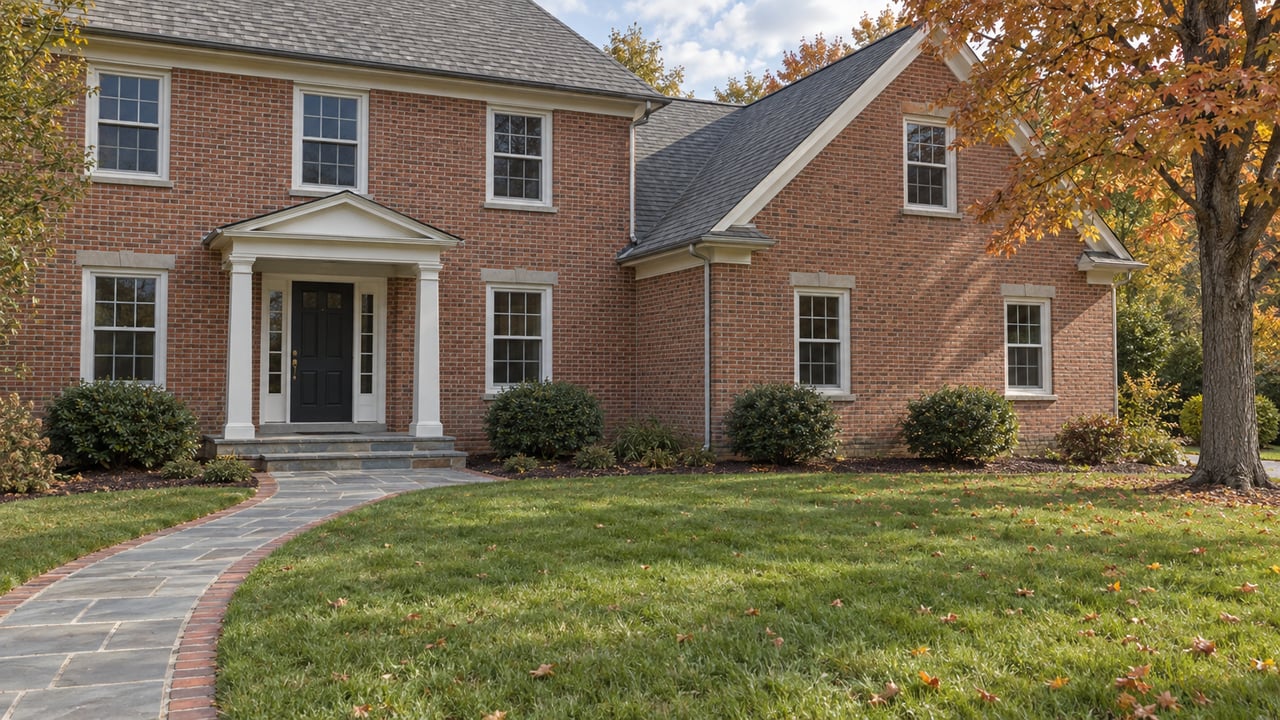
Some buyers are drawn to compact, character-filled properties closer to the village center. These homes often appeal to people who want easier access to shops, dining, and the waterfront atmosphere that defines Mystic.
That lifestyle can be especially attractive if you are downsizing, buying a second home, or looking for a more walkable setup. At the same time, housing near the core may come with older housing stock, tighter lots, and more seasonal activity nearby.
Traditional Single-Family Settings
Outside the historic core, the broader pattern remains more rural-suburban, with substantial open space and a strong single-family presence. This gives you more options if you want a quieter residential setting that still keeps you close to Mystic’s amenities.
For many full-time buyers, this is where Mystic becomes especially practical. You can enjoy access to the village while living in a setting that feels more residential and less tourism-driven.
Mixed-Use and Higher-Density Areas
Stonington’s planning documents identify parts of Mystic as appropriate for higher-density, multi-family, and mixed-use development. The Exit 90 area, in particular, is described as a gateway area in need of investment and high-quality design.
The town’s zoning regulations also allow a mix of housing types in some districts, including duplexes, triplexes, and residential mixed-use by special permit in commercial areas. Design review applies to new commercial, multi-family, and mixed-use development, which supports Mystic’s small-scale village feel as it evolves.
Harbor Living Comes With Tradeoffs
For many buyers, the harbor is the heart of Mystic’s appeal. Waterfront scenery, boating activity, and proximity to the village center can create a very compelling lifestyle. Still, harbor-adjacent living requires a practical lens.
Stonington’s Mystic Harbor management plan identifies developed waterfront areas, marina segments, coastal flood hazard zones, and public dinghy docks in the village center. It also notes that Mystic does not offer public transient moorings. If you are considering a harbor-area property, water access, flood exposure, and boating logistics should all be part of your decision-making process.
Questions to Ask About Harbor-Area Homes
Before buying near the harbor, it helps to think beyond the view. Consider questions like:
- How close is the home to identified coastal flood hazard zones?
- What does access look like during peak tourism season?
- How important is direct or nearby boating access to your lifestyle?
- Do you want village energy, or would you prefer more separation from visitor traffic?
Those details do not make harbor properties less appealing. They simply shape whether a specific home fits the way you want to live year-round.
Who Mystic Fits Best Year-Round
Mystic can work well for several kinds of buyers, especially those who want a shoreline location with more than seasonal appeal. Current Stonington QuickFacts show a 72.6% owner-occupied housing rate, a median owner-occupied home value of $483,400, and a median household income of $114,797.
Taken together with the area’s institutions, restaurants, transportation options, and housing mix, Mystic is a credible full-time address for remote workers, relocators, and second-home owners making a primary-home transition. The best fit often comes down to the lifestyle you want most.
You May Like Mystic If You Want:
- A village setting with year-round activity
- Access to shoreline scenery and maritime character
- A home base between larger Northeast cities
- Housing options that range from village-core homes to more traditional single-family properties
- A seasonal rhythm that feels lively in summer and calmer in winter
Final Thoughts on Living in Mystic Full Time
Mystic year-round is not just a postcard version of coastal Connecticut. It is a real place with working routines, seasonal shifts, practical commuting patterns, and distinct housing choices. If you understand that balance going in, Mystic can offer a lifestyle that feels both special and sustainable.
Whether you are searching for a village home, a harbor-adjacent property, or a quieter residential setting nearby, local guidance makes a real difference. If you are thinking about a move to Mystic or anywhere along the Connecticut Shoreline, Tammy Tinnerello can help you navigate the options with a thoughtful, high-touch approach.
FAQs
Is Mystic, Connecticut, a town or a village?
- Mystic is a village identity rather than a standalone municipality, with areas located within Stonington and Groton.
Does Mystic stay active in the winter?
- Yes. Major attractions like Mystic Seaport Museum operate year-round with seasonal adjustments, and local dining and cultural activity continue beyond summer.
What is commuting from Mystic like year-round?
- Commuting is generally regional and car-oriented, with access to Interstate 95, an Amtrak stop in Mystic, and another rail option at nearby New London Union Station.
What types of homes can you find in Mystic year-round?
- You can find village-core properties, harbor-oriented homes, traditional single-family homes, and some mixed-use or higher-density housing in select areas.
What should buyers know about living near Mystic Harbor?
- Harbor-area homes can offer scenery and water access, but buyers should also consider flood hazard zones, marina activity, and access logistics.
Is Mystic a good fit for a full-time residence?
- For many buyers, yes. Mystic offers year-round institutions, dining, regional access, and a range of housing options that can support full-time living.